

Embark on a culinary journey with this incredibly flavorful and effortlessly simple **Cauliflower Curry recipe**. Designed for the modern home cook, this dish delivers an explosion of authentic flavors, comes together in a single pot, and is ready to grace your table in under 30 minutes. Imagine tender, steamed cauliflower florets and vibrant green peas enveloped in a rich, creamy coconut milk sauce, brightened by ripe tomatoes and an aromatic blend of warm, inviting spices.
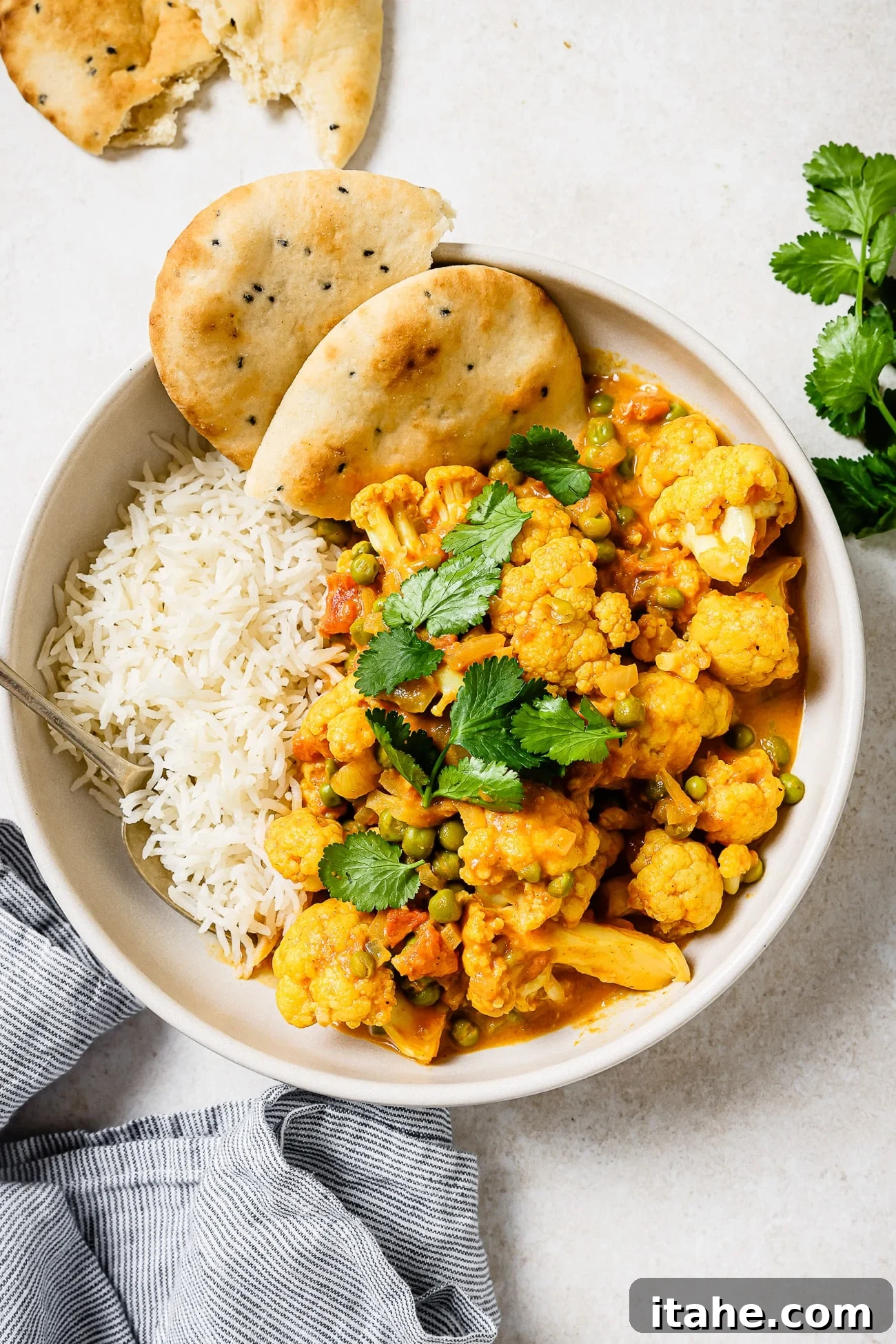
This vegetarian and gluten-free delight is more than just a meal; it’s an experience. Serve it piping hot alongside a generous scoop of fluffy white rice or aromatic basmati rice to complete a truly satisfying dinner. For an extra layer of flavor and a touch of coolness, I love to garnish it with a dollop of plain Greek yogurt and a sprinkle of fresh, chopped parsley or cilantro. And if you’re looking to elevate your curry night, a side of warm, soft flatbreads like chapati, roti, naan, or plain paratha is an absolute must-have for soaking up every last drop of that delectable sauce.

Why You’ll Love This One-Pot Cauliflower Curry Recipe
This isn’t just another curry recipe; it’s a gateway to delicious, healthy eating without the fuss. Here’s why this cauliflower curry will quickly become a staple in your kitchen:
- Effortless & Beginner-Friendly: With straightforward steps and readily available ingredients, even novice cooks can achieve remarkable results. It’s designed for simplicity and maximum flavor with minimal effort.
- Pantry Staple Ingredients: You likely already have most of the spices and basic components in your pantry, making it a convenient go-to for weeknight dinners.
- Highly Adaptable: This recipe is incredibly versatile! Feel free to incorporate extra vegetables, legumes, or proteins to suit your taste and dietary needs. It’s a fantastic canvas for culinary creativity.
- One-Pot Wonder: The beauty of this dish lies in its single-pot preparation. This means less time spent on washing dishes and more time enjoying your delicious meal.
- Quick & Nutritious: Ready in under 30 minutes, it’s perfect for busy evenings. Plus, cauliflower is a powerhouse of nutrients, making this a healthy choice for the whole family.
- Diet-Friendly: Naturally gluten-free and easily made vegan, this curry caters to various dietary preferences without compromising on taste.
Essential Ingredients for a Flavorful Cauliflower Curry & Expert Tips
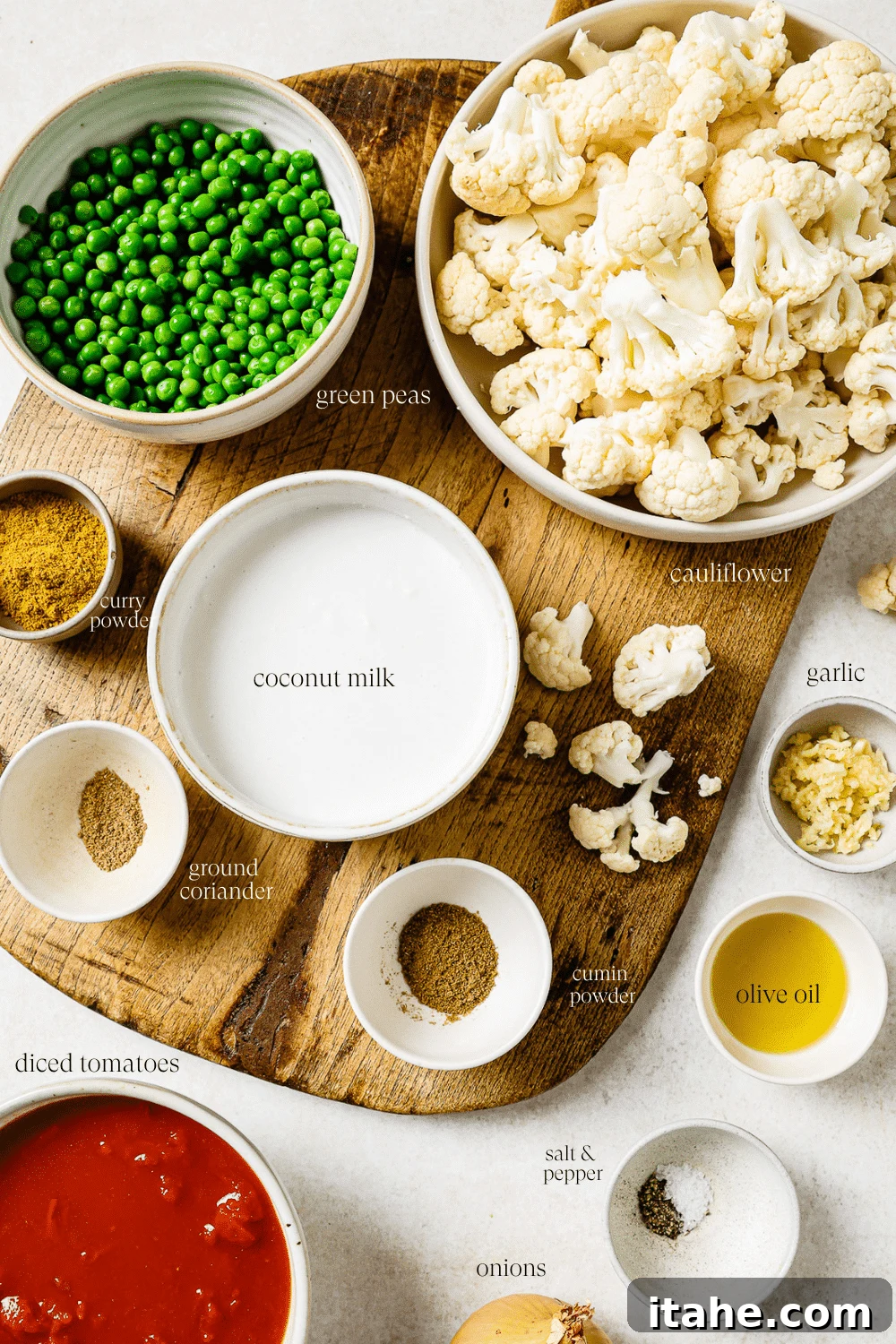
The success of any great curry lies in the quality and freshness of its ingredients. Here’s a closer look at what you’ll need and some tips for making your cauliflower curry truly exceptional:
Cauliflower: The Star of the Show – We’re steaming the cauliflower florets directly in the same pot to maintain its one-pot convenience and ensure they become perfectly tender, absorbing all the wonderful flavors of the curry sauce. When selecting a cauliflower, look for a head that is firm, compact, and heavy for its size, with creamy white florets and crisp green leaves. If you don’t have a steamer basket or prefer a different texture, you can opt for roasted cauliflower instead, which adds a lovely caramelized depth to the dish. To save time on busy weeknights, don’t hesitate to use pre-cut cauliflower florets from your grocery store.
Veggies: Add Your Favorites! – While I keep it deliciously simple with sweet green peas, this recipe is incredibly forgiving and welcomes additional vegetables. Think of this as your canvas! Spinach or kale can be wilted in at the end for a boost of greens. Diced red bell peppers or carrots add color and a subtle sweetness. For a heartier curry, try adding chunks of sweet potatoes or regular potatoes, which will soften beautifully in the sauce and provide a comforting texture. Feel free to experiment with what you have on hand or what’s in season.
Coconut Milk: The Creamy Foundation – This is crucial for achieving that lusciously creamy and rich curry sauce. After extensive testing, I strongly recommend using **canned full-fat coconut milk** over carton varieties. The higher fat content in canned coconut milk ensures a velvety texture and a much richer flavor profile that truly elevates the dish. Shake the can well before opening to ensure the cream and liquid are well combined.
Spices: The Soul of the Curry – The vibrant flavors of your curry depend entirely on the freshness and quality of your spices. Stale spices can result in a dull, lackluster dish. Be sure to check the expiration dates and ideally, use spices that you’ve bought recently. For this cauliflower curry recipe, we build a robust flavor base with a blend of essential Indian-inspired spices:
- Cumin Powder: Earthy, warm, and slightly pungent, cumin forms the backbone of many curries.
- Ground Coriander: Adds a bright, citrusy, and slightly sweet note that balances the heavier spices.
- Curry Powder: Often a blend itself, curry powder provides a convenient mix of traditional flavors. Choose a good quality one that suits your preference for mild or medium heat.
- Salt and Black Pepper: Essential for seasoning and enhancing all other flavors. Adjust to your taste.
- Optional Spice Additions for Heat and Depth: For a spicier kick or deeper complexity, consider adding a pinch of ground ginger, turmeric (for color and earthy notes), chili powder, a dash of garam masala (added at the end for aromatic finish), or a pinch of cayenne pepper for noticeable heat.
Aromatics: The Flavor Builders – Don’t underestimate the power of well-sautéed onions and garlic. They create the foundational flavor base for the entire curry. Ensure your onions are finely chopped so they melt into the sauce, contributing to its overall smoothness rather than standing out as chunky pieces.
Tomatoes: Brightness and Tang – Diced tomatoes (canned, with their juice) add a crucial acidic component that brightens the rich coconut sauce and provides a delightful tang, complementing the spices perfectly.
The Easiest Way To Cut Cauliflower Florets
Prepare your cauliflower by first removing the sturdy green leaves from around the base and trimming the very end of the stem.
Place the cauliflower head on a cutting board, stem-side down. Cut the whole head of cauliflower in half, then cut each half into two smaller wedges, making quarters.
Carefully slice off the core from each wedge. Once the core is removed, the florets will naturally begin to separate. You can then easily break them into bite-sized pieces with your hands.
How To Make This Delicious One-Pot Cauliflower Curry: A Step-by-Step Guide
Creating this flavorful cauliflower curry is surprisingly simple, broken down into just a few easy steps. Follow these instructions for a perfect result every time:
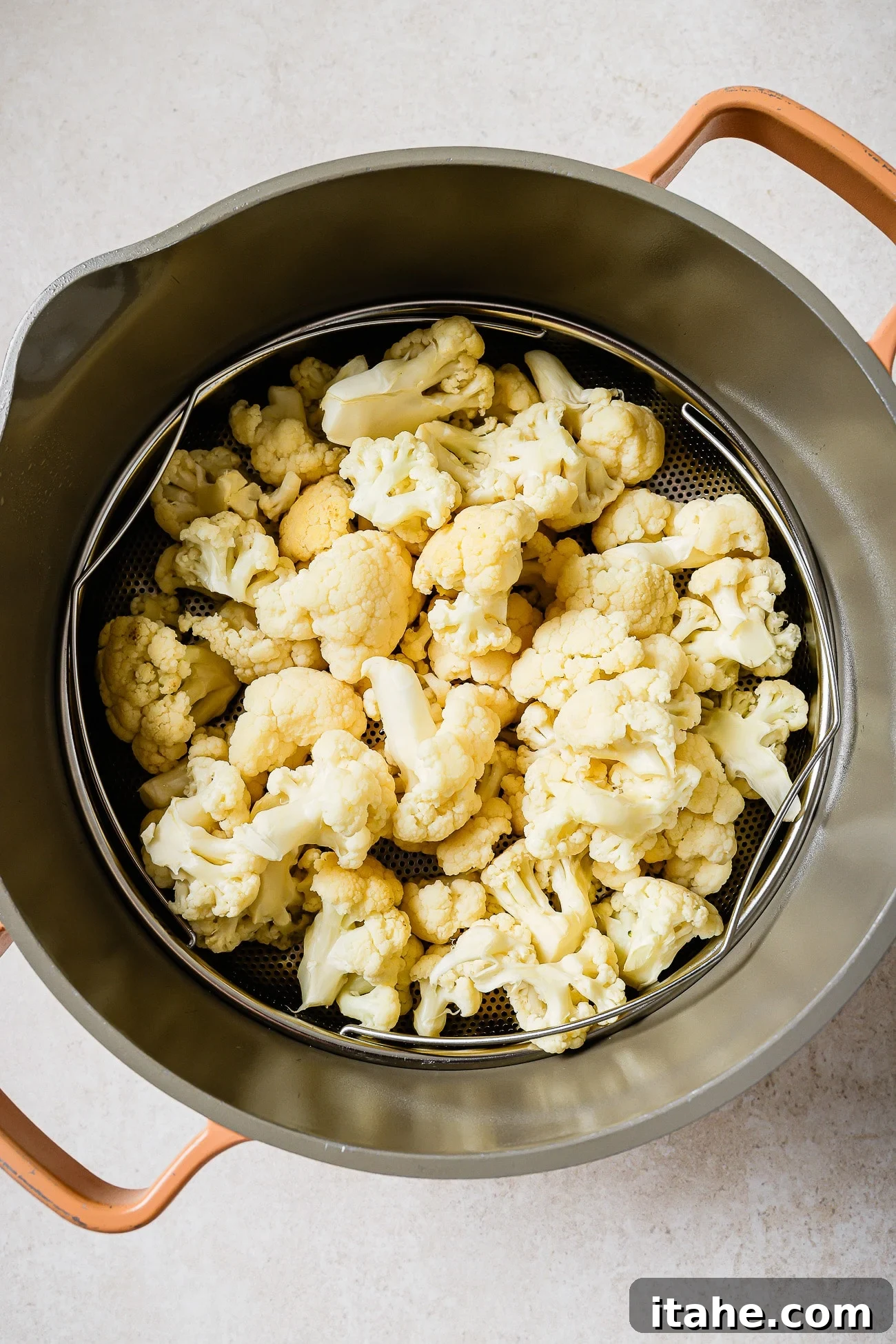
Step 1: Steam the Cauliflower. In your large pot, add about 2 cups of water and place a steamer basket inside. Bring the water to a rolling boil. Carefully add your prepared cauliflower florets to the steamer basket, cover the pot tightly, and steam for approximately 6-8 minutes, or until the cauliflower is fork-tender but still holds its shape. Remove the steamer basket and cauliflower from the pot, drain any remaining water, and set the steamed cauliflower aside. This gentle steaming method ensures the cauliflower cooks evenly and absorbs flavor beautifully.
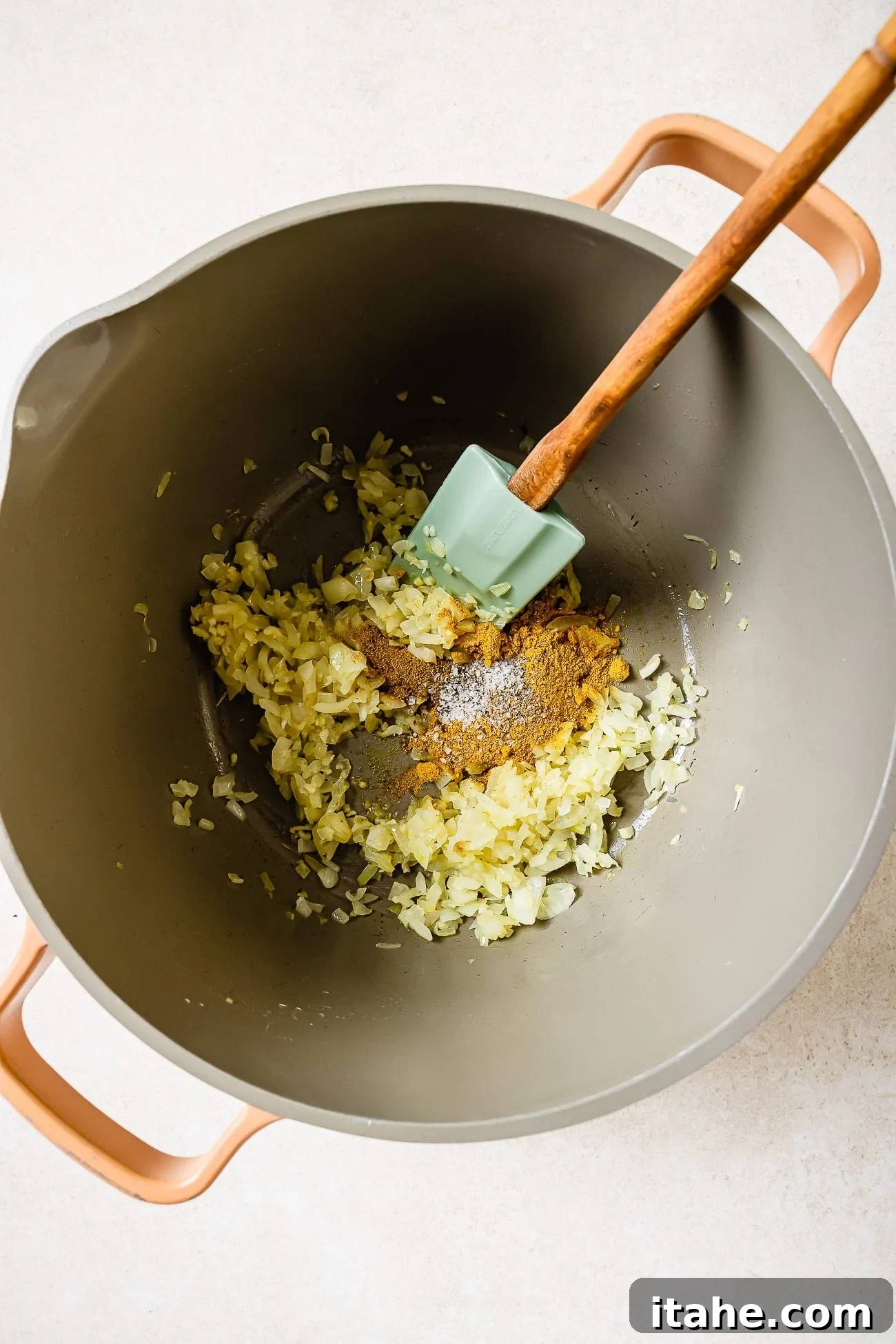
Step 2: Sauté Aromatics and Toast Spices. Return the same pot (now empty and dry) to the stove. Add your chosen oil (vegetable or extra virgin olive oil) and heat it over medium heat. Add the finely chopped onions and minced garlic, sautéing for 3-5 minutes until the onions become soft, translucent, and slightly golden. This step builds the aromatic foundation of your curry. Next, add all the dry curry spices – cumin powder, ground coriander, curry powder, salt, and black pepper. Stir continuously for about 30-60 seconds, allowing the spices to toast gently in the hot oil. This crucial step “blooms” the spices, releasing their full aromatic potential and deepening their flavor.
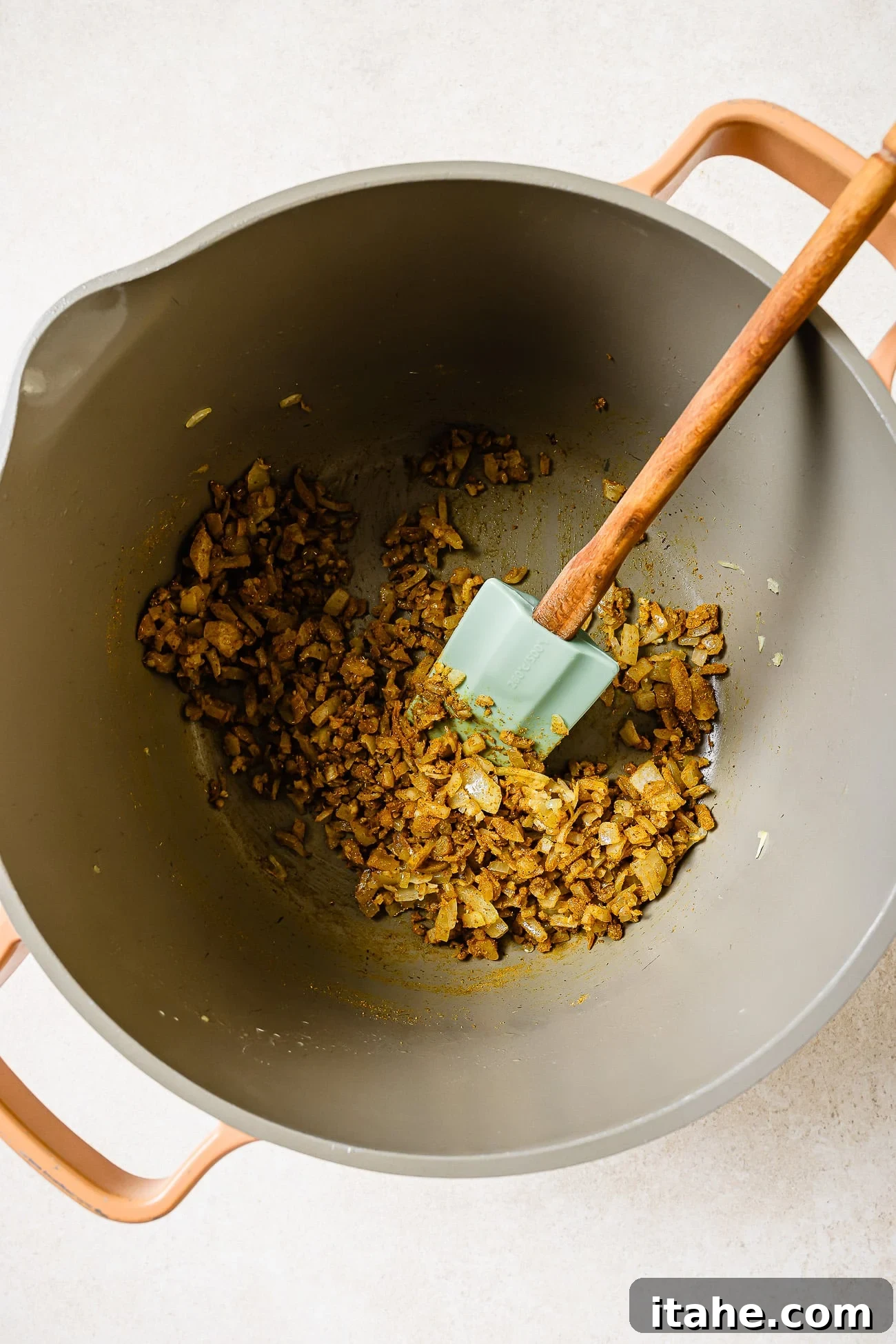
Step 3: Combine with Liquids and Simmer. Once the spices are fragrant, add the diced tomatoes (with their juice) and the green peas to the pot. Stir well to combine, ensuring everything is evenly coated in the aromatic spice mixture. Pour in the full-fat canned coconut milk, stirring again to integrate all the ingredients into a cohesive sauce. Bring the mixture to a gentle simmer. Once simmering, carefully return the steamed cauliflower florets to the pot.
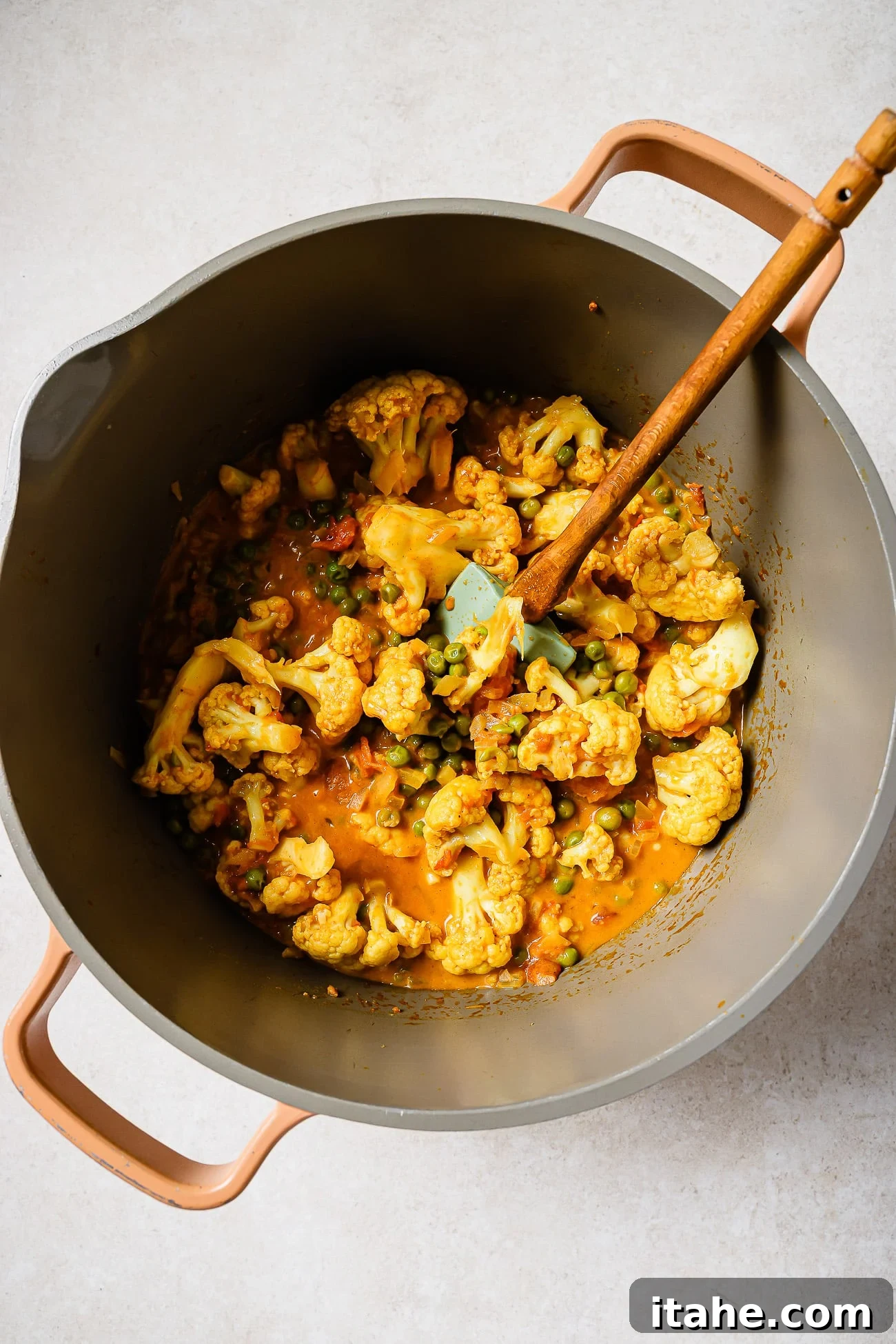
Step 4: Finish and Serve. Allow all the ingredients to gently simmer together for another 3-5 minutes. This final simmer allows the cauliflower to fully absorb the rich flavors of the sauce and ensures all ingredients are heated through. Taste and adjust seasonings as needed – perhaps a little more salt, pepper, or a pinch of cayenne for extra heat. Serve your vibrant cauliflower curry immediately. Garnish generously with fresh parsley or cilantro for a burst of freshness, and serve with basmati rice, white rice, or a side of warm flatbreads for a truly satisfying and complete meal!
Elevate Your Curry: Adding Protein Options
One of the many wonderful qualities of this gluten-free cauliflower curry recipe is its incredible versatility. It serves as a fantastic base for incorporating various protein sources, transforming it into an even more substantial and satisfying meal, whether you’re adhering to a meatless diet or not.
For those seeking delicious vegetarian and vegan protein options, consider these fantastic additions:
- Pan-Fried Tofu: Press extra-firm tofu to remove excess water, then cube and pan-fry until golden and crispy. Add the cooked tofu to the curry during the final simmering stage for a protein-packed bite that beautifully soaks up the sauce.
- Chickpeas & Lentils: A mix of canned chickpeas (rinsed and drained) and red or green lentils can be stirred directly into the curry along with the tomatoes and coconut milk. Lentils will cook directly in the sauce, adding a lovely creaminess and significant plant-based protein and fiber.
- Other Legumes: Black beans or cannellini beans can also be added for variety and texture.
If your dietary preferences include meat, this curry welcomes animal proteins wonderfully:
- Chicken: For a heartier dish, you can add diced chicken breast or seared chicken thighs to the pan after sautéing the onions and garlic. Cook until lightly browned, then proceed with adding the spices and liquids, allowing the chicken to simmer directly in the curry sauce until it’s perfectly tender and cooked through.
- Shrimp: The slightly sweet flavor of cauliflower also works perfectly with seafood. Quick-cooking shrimp can be added during the last few minutes of simmering, creating a delightful coconut shrimp curry variation that cooks quickly and offers a different texture.

Storage Instructions & Reheating Tips
This cauliflower curry is just as delicious, if not more so, the next day, as the flavors have more time to meld and deepen. Proper storage ensures you can enjoy your leftovers safely and deliciously.
- Cooling: Always allow your leftover curry to cool completely to room temperature before storing. This typically takes about 1-2 hours. Do not leave it out for more than two hours to prevent bacterial growth.
- Refrigeration: Transfer the cooled curry into an airtight container. It can be stored safely in the refrigerator for up to 5 days. Make sure the container is sealed well to maintain freshness and prevent odor transfer.
- Freezing: For longer storage, this curry freezes beautifully. Portion the cooled curry into freezer-safe containers or heavy-duty freezer bags. When using containers, remember to leave some headspace (about an inch) to allow for expansion as the liquid freezes. It can be kept in the freezer for up to 3 months. Label with the date for easy tracking.
- Thawing: When ready to enjoy from the freezer, transfer the frozen curry to the refrigerator to thaw overnight. For quicker thawing, you can use the defrost setting on your microwave.
- Reheating on the Stovetop: The best way to reheat this cauliflower curry recipe is gently on the stovetop. Transfer the desired portion to a saucepan over medium-low heat. Since the curry is thick and creamy, it might thicken further upon cooling. Add a splash of water or vegetable broth (1-2 tablespoons per serving) to achieve your desired consistency. Stir occasionally to ensure even heating and prevent sticking to the bottom of the pan. Bring it to a gentle simmer and heat until thoroughly warm.
- Reheating in the Microwave: If you’re short on time, you can also reheat individual portions in the microwave. Place the curry in a microwave-safe bowl, add a splash of water, cover loosely, and heat in 1-minute intervals, stirring in between, until heated through. The added water helps prevent it from becoming too thick or drying out.
Health Benefits of This Flavorful Dish
Beyond its incredible taste and ease of preparation, this cauliflower curry offers a wealth of health benefits, making it a smart choice for any meal plan.
- Nutrient-Rich Cauliflower: Cauliflower is an excellent source of vitamins C and K, folate, and fiber. It’s known for its anti-inflammatory properties and its role in digestive health.
- Antioxidant-Packed Spices: The spices used in this curry, such as cumin, coriander, and curry powder, are not just flavor enhancers; they are rich in antioxidants and boast various health benefits, including anti-inflammatory and digestive properties. Turmeric, if added, is particularly renowned for its potent antioxidant and anti-inflammatory compound, curcumin.
- Healthy Fats from Coconut Milk: While full-fat, coconut milk contains medium-chain triglycerides (MCTs), which are easily digestible and can be a good source of energy.
- Fiber Boost: With cauliflower and peas, this curry is a good source of dietary fiber, crucial for digestive health and satiety.
- Vegetarian and Vegan Friendly: Naturally meatless, it’s an ideal option for those following vegetarian or vegan diets, providing a complete and satisfying meal without animal products.
Frequently Asked Questions (FAQs)
Here are some common questions you might have about making this cauliflower curry:
- Can I use frozen cauliflower? Yes, you can! If using frozen cauliflower, you can add it directly to the steamer basket (it might take a minute or two longer to become tender) or even add it frozen directly to the simmering sauce if you prefer a slightly softer texture.
- My curry is too thin/too thick, what should I do? If your curry is too thin, let it simmer uncovered for a few extra minutes to allow some of the liquid to evaporate and the sauce to reduce. If it’s too thick, simply stir in a splash more coconut milk or a bit of vegetable broth until it reaches your desired consistency.
- How can I make this spicier? To increase the heat, add a pinch of cayenne pepper, a dash of red chili flakes, or a finely chopped green chili along with the garlic and onions. You can also adjust the amount of curry powder.
- Can I prepare this ahead of time? Absolutely! This curry is fantastic for meal prepping. You can make it entirely in advance and store it in the refrigerator for up to 5 days. The flavors often improve overnight.
- What can I serve with cauliflower curry? Besides rice and flatbreads, you can serve it with a simple side salad, quinoa, or even roasted vegetables. A spoonful of mango chutney or a side of raita (yogurt dip) can also be wonderful additions.
More Delicious Vegetarian Dinner Ideas
Stuffed Shells With Ricotta
22 mins
Cauliflower Fried Rice
18 mins
Kale, Peppers, Red Onions Pizza
25 mins
Sun-dried Tomato Pesto Cauliflower Salad
18 mins

One-Pot Creamy Cauliflower Curry Recipe
Olivia Ribas
6
people
10
15
25
Video
Ingredients
- 1 medium cauliflower head cut into florets
- 1 tablespoon vegetable or extra virgin olive oil
- 1 cup white onions chopped, finely
- 3 cloves garlic minced
- 1 teaspoon cumin powder
- ¼ teaspoon ground coriander
- 4 teaspoons curry powder
- Salt and black pepper to taste
- 2 cups diced tomatoes with the juice from the can
- 2 cups green peas frozen or fresh, optional
- 1¾ cups coconut milk from a can full-fat, not from a carton
Instructions
-
In a large pot, add 2 cups of water and place a steamer basket in the bottom.
-
Bring the water to a boil. Add the cauliflower florets to the steamer basket, cover the pot, and steam for about 6-8 minutes until tender.
-
Remove the steamer basket and cauliflower from the pot, and let the cauliflower cool for 5 minutes. Set aside.
-
Return the pot (without the water) to the stove, add the oil, and heat over medium heat.
-
Add the chopped onion and minced garlic, and sauté until the onions are tender and translucent, about 3-5 minutes.
-
Add the cumin powder, ground coriander, curry powder, salt, and pepper. Stir continuously for 30-60 seconds to toast the spices until fragrant.
-
Add the diced tomatoes (with juice) and green peas, then stir in the full-fat coconut milk. Bring the mixture to a gentle simmer. Return the steamed cauliflower to the pot.
-
Cook everything together for 3-5 minutes, allowing the flavors to meld, before serving. Garnish with fresh herbs.
Notes
- When selecting cauliflower, choose one that feels firm and heavy for its size, with no discoloration.
- You can buy pre-cut cauliflower florets to save time on prepping.
- Finely chopped onions will incorporate into the sauce better, creating a smoother texture, compared to larger pieces.
- For added heat, consider a pinch of cayenne pepper or a chopped green chili.
- Fresh cilantro or parsley makes an excellent garnish for a burst of fresh flavor.
Nutrition
Serving:
1/6
,
Calories:
266kcal
,
Carbohydrates:
21.5g
,
Protein:
7.3g
,
Fat:
19.1g
,
Sodium:
435mg
,
Fiber:
6.9g
,
Sugar:
8.3g
Nutrition information is automatically calculated, so should only be used as an approximation.