
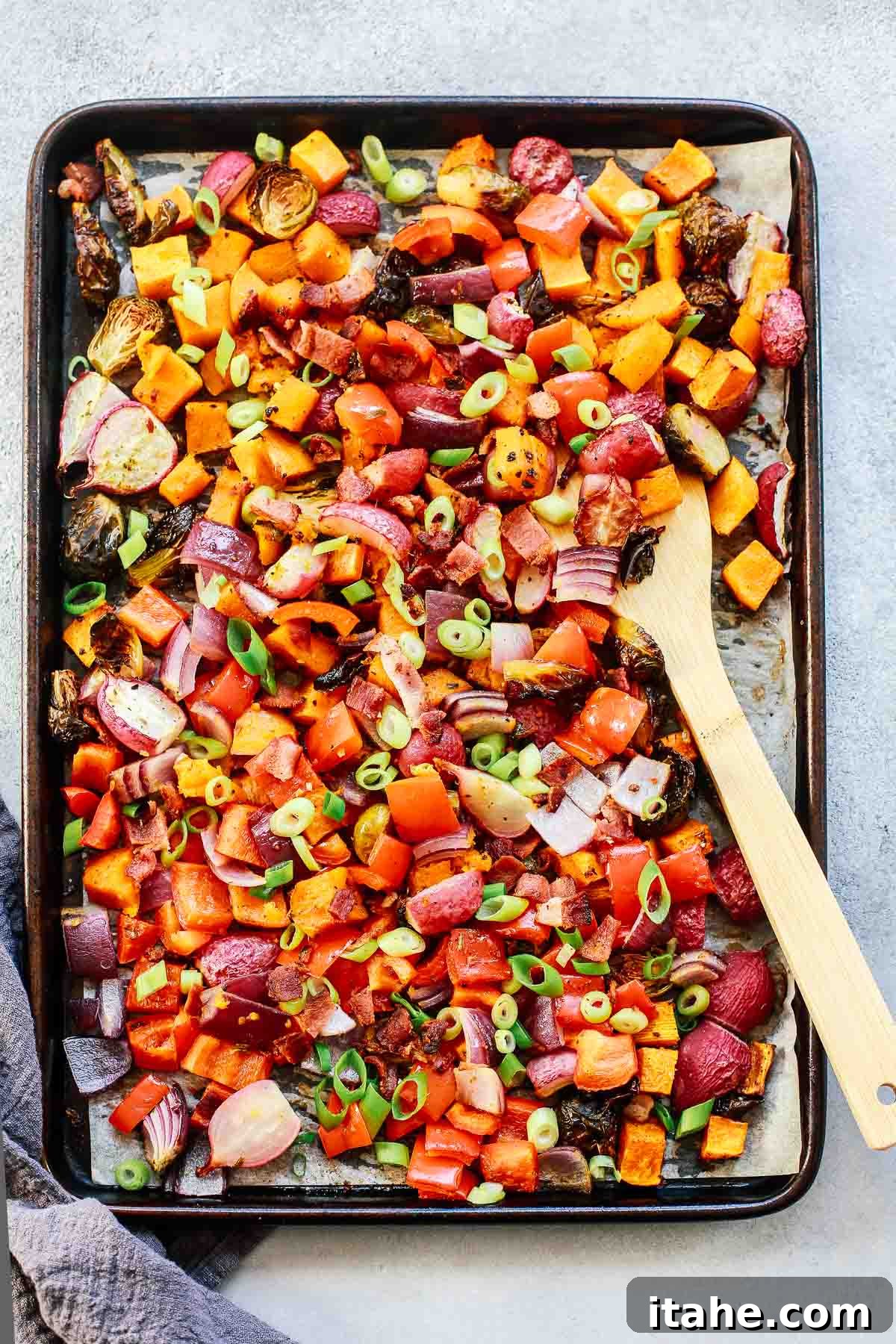
The Ultimate Guide to Perfectly Roasted Vegetables: Easy, Delicious, and Healthy
Roasted vegetables are more than just a side dish; they are a culinary cornerstone, transforming humble produce into flavorful, caramelized delights. This simple cooking method brings out the natural sweetness of vegetables, creating a rich depth of flavor and an irresistible texture that makes them a family favorite. Whether you’re looking to boost your daily vegetable intake or find a versatile accompaniment for any meal, mastering the art of roasting vegetables is a skill every home cook should possess.
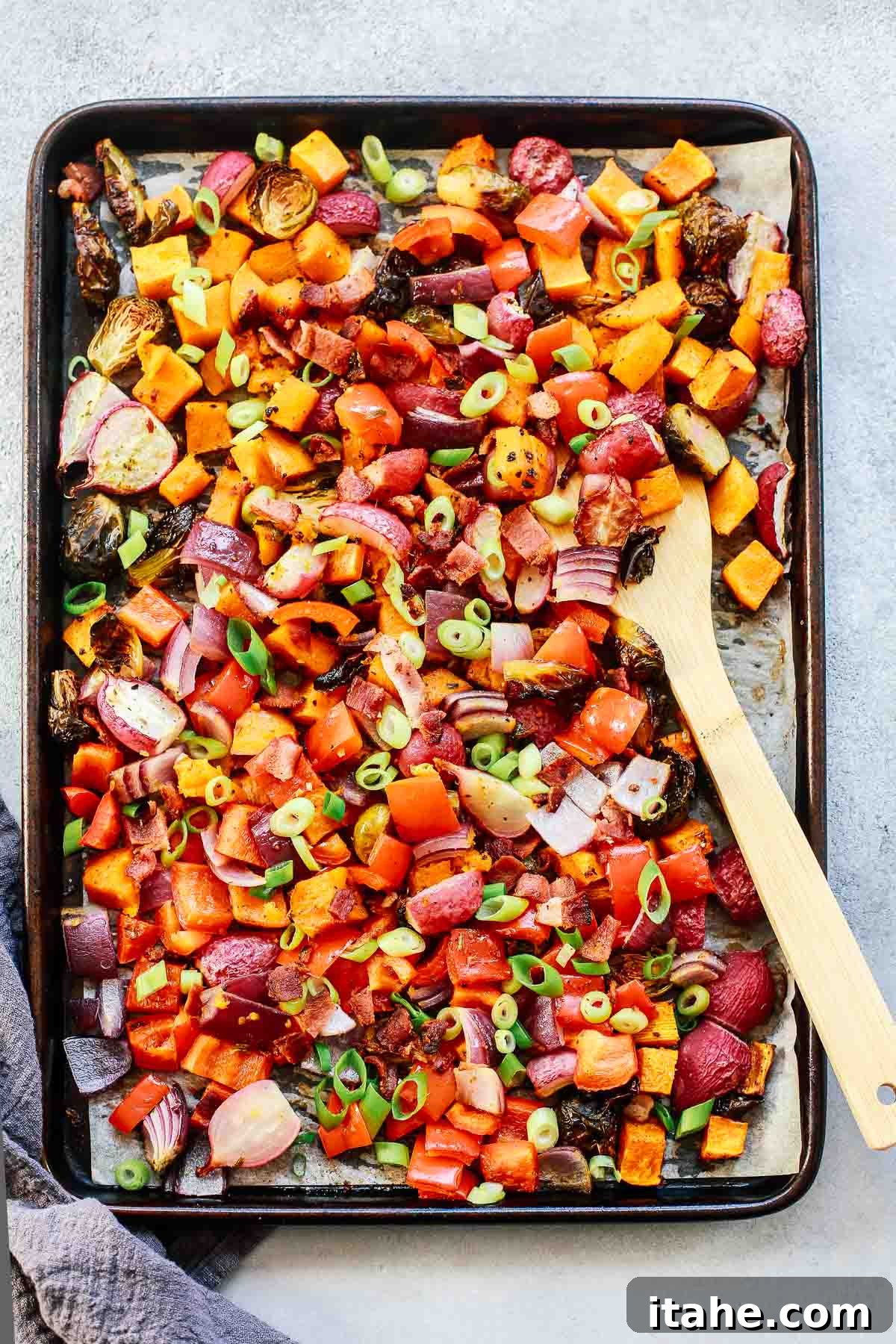
The magic of roasted vegetables lies in their unique texture and taste profile: a beautifully charred, crispy exterior giving way to a tender, melt-in-your-mouth interior. This desired outcome is achieved through caramelization, a process where the natural sugars in the vegetables brown under high heat, creating complex, sweet, and nutty flavors that simply cannot be replicated by other cooking methods. Once you experience this profound difference, you’ll understand why roasted vegetables are a game-changer in the kitchen. Forget limp and soggy steamed vegetables; roasting delivers a vibrant, satisfying crunch every time.
What makes roasting even more appealing is its incredible versatility. Once you grasp the fundamental techniques, you’ll rarely need a precise recipe. Simply grab a selection of fresh vegetables from your crisper drawer, toss them with oil and seasonings, and pop them into the oven. They effortlessly complement a wide range of main courses, from succulent baked pork chops and comforting pot roast, to elegant lamb chops, savory garlic butter steak bites, or zesty lemon chicken. It’s an ideal method for healthy meal prep, offering a delicious and nutritious side dish that elevates any weeknight dinner or special occasion meal.
The Science Behind Deliciousness: Why Roasting is Best
Roasting is fundamentally a dry-heat cooking method that involves circulating hot air around food. This process encourages two crucial reactions that are key to flavor development: caramelization and the Maillard reaction. Caramelization, as mentioned, is the browning of sugars, leading to sweet and nutty notes. The Maillard reaction is a complex chemical process between amino acids and reducing sugars that gives browned food its distinctive flavor. Together, these reactions create hundreds of new flavor compounds, making roasted vegetables infinitely more appealing than their steamed or boiled counterparts.
Unlike steaming or boiling, which can leach nutrients and result in watery, bland textures, roasting concentrates the natural flavors of vegetables. The high heat quickly cooks the exterior, creating a protective crust, while the interior slowly becomes tender. This ensures that your vegetables retain their vibrant colors, essential nutrients, and most importantly, their delicious taste. It’s a method that truly respects the produce, transforming it into something extraordinary with minimal effort.
Mastering the Technique for Perfectly Roasted Vegetables
Achieving perfectly roasted vegetables consistently boils down to a few key principles. Once you understand these, you’ll be able to roast any vegetable to perfection.
What Temperature is Best for Roasting Veggies?
High heat is your best friend when it comes to roasting. A temperature range of **400°F to 450°F (200°C to 230°C)** is ideal. This intense heat is crucial for achieving that coveted char and crispy edge, promoting rapid caramelization without drying out the vegetables completely. Lower temperatures tend to steam the vegetables rather than roast them, resulting in a less desirable soft and pale outcome. This high heat technique works wonders for all types of vegetables, including hardy root vegetables and even frozen varieties (though frozen veggies may require a slightly longer cooking time and careful drying beforehand).
To determine if your roasted vegetables are done, simply prick them with a fork. They should be tender enough to pierce easily, indicating a soft interior, and you’ll notice visible browning and slight charring around the edges. Depending on the density and size of your vegetables, this typically takes at least 15-20 minutes, with denser vegetables requiring up to 40 minutes or more.
Choosing and Preparing Your Vegetables
Almost any vegetable can be roasted, but some benefit more than others. Hearty root vegetables like carrots, potatoes, sweet potatoes, parsnips, and turnips hold up wonderfully to high heat. Cruciferous vegetables such as broccoli, cauliflower, and Brussels sprouts develop fantastic crispy bits. Softer vegetables like bell peppers, onions, asparagus, green beans, and zucchini also roast beautifully, though they may require less time.
The key to even roasting is **uniformity in cutting**. Cut denser vegetables into smaller pieces than softer ones, or adjust their cooking times. For example, butternut squash, potatoes, and carrots can be cut into 1-inch cubes, while bell peppers and onions might be cut into slightly larger pieces. Always wash your vegetables thoroughly, and most importantly, **dry them completely** before adding oil and seasonings. Excess moisture will cause the vegetables to steam instead of roast, preventing that desirable crispiness.
What is the Best Oil for Roasting Vegetables?
The right oil is essential for promoting even cooking, browning, and enhancing flavor. You need an oil with a **high smoke point**, meaning it can withstand high temperatures without breaking down and imparting a bitter taste. The goal is to coat the vegetables evenly, creating a thin film that conducts heat and promotes crispiness, but not so much that you end up with puddles of oil in the pan.
Excellent choices for high smoke point oils include:
- Olive Oil: A classic choice, offering a delicious, robust flavor. Extra virgin olive oil can be used, but light olive oil has a slightly higher smoke point.
- Avocado Oil: Boasts a very high smoke point and a neutral flavor, making it incredibly versatile.
- Coconut Oil: Adds a subtle tropical flavor and is great for certain vegetable combinations, especially those with a hint of spice.
Don’t be afraid to get your hands dirty! The best way to ensure every piece of vegetable is coated is to use your hands to toss them vigorously with the oil and seasonings. This guarantees maximum flavor and crispiness.
How Do You Season Roasted Vegetables?
While oil plays a significant role in achieving crispy, golden edges, proper seasoning is what truly elevates the flavor. **Salt and freshly ground black pepper** are non-negotiable staples, enhancing the natural taste of the vegetables. Beyond the basics, the possibilities for flavoring are endless, allowing you to customize your roasted veggies to complement any meal.
Experiment with a variety of herbs and spices:
- Italian Seasoning: A blend of oregano, basil, thyme, and rosemary, perfect for a Mediterranean flair.
- Garlic: Freshly minced garlic adds an aromatic depth. Garlic powder is a good alternative for more even distribution.
- Balsamic Vinegar: Drizzle a touch towards the end of roasting for a sweet and tangy glaze.
- Ginger: Ground ginger or finely grated fresh ginger pairs wonderfully with root vegetables or Asian-inspired dishes.
- Rosemary & Thyme: Classic pairings for potatoes, carrots, and other hardy vegetables.
- Basil & Dill: Best added fresh after roasting to preserve their delicate flavors.
- Cumin & Curry Powder: For an earthy, warm, and exotic profile, especially with sweet potatoes or cauliflower.
- Smoked Paprika: Adds a beautiful color and smoky depth.
- Onion Powder: For an additional layer of savory flavor.
Consider adding a squeeze of fresh lemon juice or a sprinkle of fresh herbs like parsley or chives right before serving for a bright, finishing touch.
Top Tips for Perfectly Roasted Vegetables Every Time
- Use High Heat and High Smoke Point Oil: As discussed, this is critical for caramelization and preventing soggy vegetables.
- Do Not Overcrowd the Pan: This is arguably the most important tip! Vegetables need space to roast. If a sheet pan is too crowded, the vegetables will steam in their own moisture rather than browning. Use two sheet pans if necessary, ensuring each piece has enough breathing room. Good air circulation is essential for crispiness.
- Season Well (But Don’t Overdo It): Be generous with salt, pepper, and your chosen seasonings, but find a balance. You want to enhance, not overpower, the natural flavors of the vegetables.
- Toss Halfway Through Cooking Time: This ensures even browning and prevents sticking. A good toss or stir will expose all sides of the vegetables to the direct heat of the pan and oven.
- Always Dry Your Vegetables: Patting your washed vegetables thoroughly dry with a kitchen towel or paper towels before oiling them will prevent steaming and promote crispier results.
- Use Parchment Paper: Lining your baking sheet with parchment paper makes cleanup a breeze and helps prevent sticking, ensuring your beautifully roasted vegetables lift off the pan easily.
Easy Roasted Vegetables Recipe
This foundational recipe will guide you through creating a batch of irresistibly flavorful and perfectly textured roasted vegetables, showcasing the simple yet profound impact of the roasting method.
Easy Roasted Vegetables Recipe
Roasted vegetables are an easy and delicious side dish. The full flavor makes them a family favorite, and it’s a great way to get a large variety of veggies into your diet. This recipe is naturally Whole30, Paleo, and Gluten-Free.
- Author: Olivia Ribas
- Servings: 6 people
- Prep Time: 20 minutes
- Cook Time: 40 minutes
- Total Time: 1 hour
Ingredients
- 2 cups butternut squash, diced
- 2 cups radishes, cut into quarters
- 1 cup Brussels sprouts, sliced and quartered
- 2 tablespoons olive oil
- 2 teaspoons Italian seasoning
- 4 cloves garlic, minced
- Kosher salt and freshly ground black pepper, to taste
- 5 slices cooked bacon, nitrate and sugar-free for Whole30 (optional, but highly recommended for flavor)
- 1 red bell pepper, cut into thick 1-inch pieces
- 1 red onion, cut into thick 1-inch pieces
- Fresh green onions, to garnish (optional)
Instructions
- Preheat oven to 400°F (200°C). Line a large baking sheet with parchment paper.
- Place butternut squash, radishes, and Brussels sprouts on the prepared baking sheet.
- Drizzle with olive oil and sprinkle with Italian seasoning, garlic, salt, and pepper. Toss well to coat all vegetables evenly.
- Spread the seasoned vegetables into a single, even layer on the baking sheet. Ensure not to overcrowd the pan; use a second sheet if necessary. Roast for about 15-20 minutes.
- Remove the baking sheet from the oven. Add the red bell pepper and red onion to the pan with the partially roasted vegetables. Toss everything together, then return to the oven and roast for another 15-20 minutes, or until all vegetables are tender and beautifully caramelized at the edges.
- Remove from the oven. If using, crumble the cooked bacon over the roasted vegetables. Garnish with fresh green onions if desired, and serve immediately.
Notes
- High heat is crucial for quick caramelization and preventing soggy vegetables.
- Any high smoke point oil can be used, such as avocado oil or coconut oil.
- Avoid overcrowding the sheet pan to ensure vegetables roast and caramelize, rather than steam. Use multiple pans if needed.
- To Store: Transfer any leftover roasted vegetables to an airtight container and store in the refrigerator for up to 4 days.
- To Reheat: Reheat leftovers in the microwave for convenience, or for crisper results, spread them on a baking sheet and warm them in a preheated oven (around 350°F / 175°C) until heated through.
Nutrition
Serving: 1/6, Calories: 177kcal, Carbohydrates: 21g, Protein: 5g, Fat: 9g, Cholesterol: 10mg, Sodium: 665mg, Potassium: 565mg, Fiber: 4g, Sugar: 10g
Nutrition information is automatically calculated, so should only be used as an approximation.
More Roasted Vegetable Recipes to Inspire You:
Once you’ve mastered the basic technique, you’ll find endless possibilities for creating delicious roasted vegetable dishes. Here are a few more recipes to expand your repertoire:
- Roasted Root Vegetables with Thyme
- Meal Prep Recipe for Chicken and Vegetables
- Roasted Butternut Squash Recipe
- Garlic Parmesan Roasted Cauliflower
- Easy Roasted Veggies Meal-Prep Bowls
- Easy Roasted Acorn Squash Recipe
- Garlic Parmesan Roasted Brussels Sprouts
- How to Make Crispy Roasted Green Beans
Conclusion: Embrace the Art of Roasting
Roasted vegetables are a testament to the idea that simplicity can yield extraordinary results. With just a few basic ingredients and a hot oven, you can create a side dish that is not only incredibly flavorful and satisfying but also packed with nutrients. From quick weeknight meals to elegant holiday spreads, roasted vegetables offer unparalleled versatility and a guaranteed crowd-pleasing appeal.
By understanding the importance of high heat, proper oil, thoughtful seasoning, and crucial tips like avoiding overcrowding, you can consistently achieve that perfect balance of crispy edges and tender interiors. So, next time you’re wondering how to incorporate more vegetables into your diet, look no further than the roasting pan. It’s an easy, healthy, and undeniably delicious way to transform your produce and elevate your culinary experience. Happy roasting!