
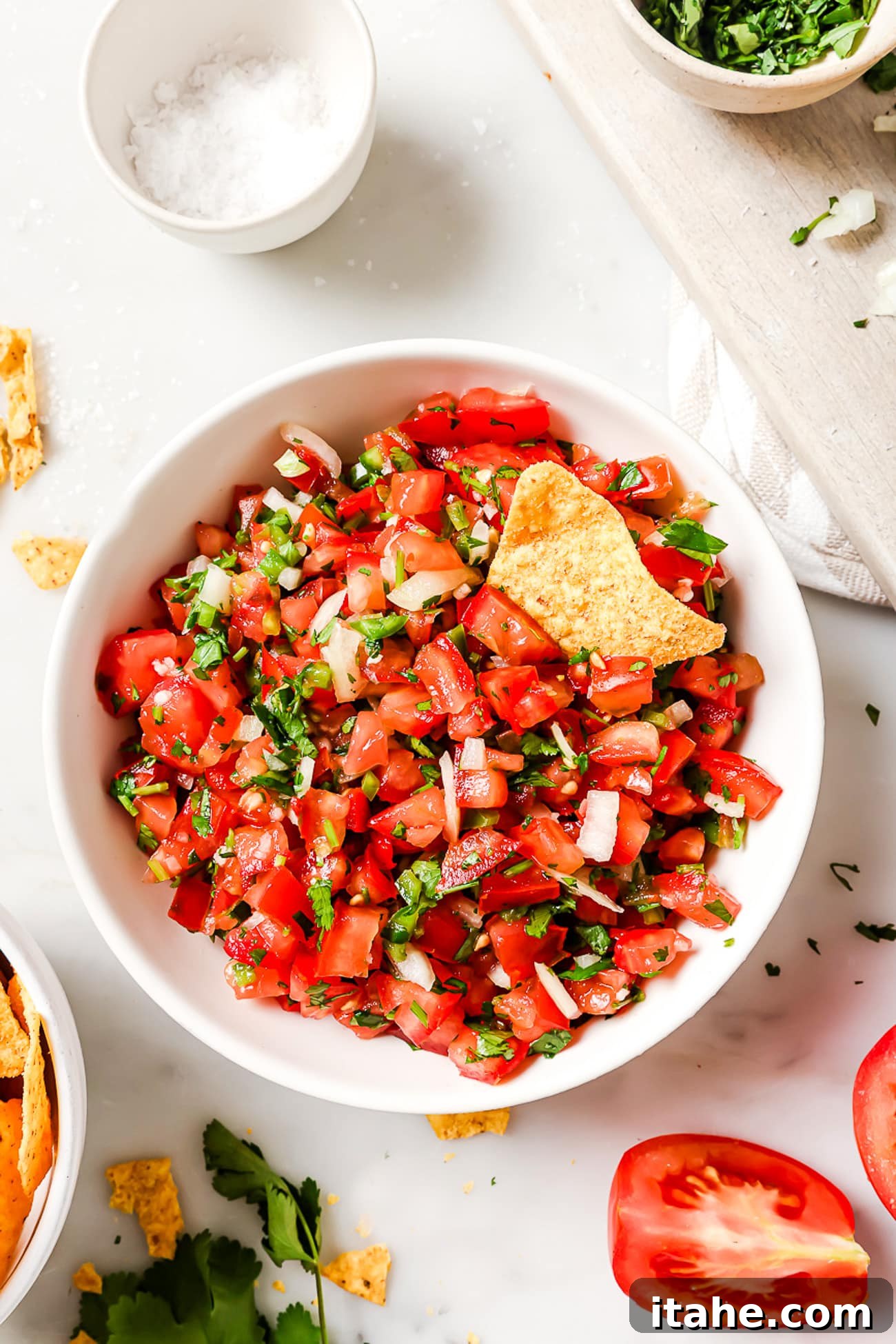
The Ultimate Homemade Pico de Gallo Recipe: Fresh, Flavorful, and Easy
Step into the vibrant world of Mexican cuisine with an essential condiment that’s as refreshing as it is delicious: Pico de Gallo. Often called “salsa fresca,” this beloved staple is renowned for its bright, raw flavors and distinctly chunky texture. Unlike its cooked or puréed counterparts, Pico de Gallo celebrates the crispness and natural zest of garden-fresh ingredients, making it an irresistible addition to virtually any meal. Imagine succulent ripe tomatoes, sharp onions, zesty lime juice, fragrant cilantro, and a subtle kick of jalapeño all finely diced and perfectly combined. This isn’t just a dip; it’s a flavor explosion that elevates everything it touches, from simple tortilla chips to elaborate main courses.
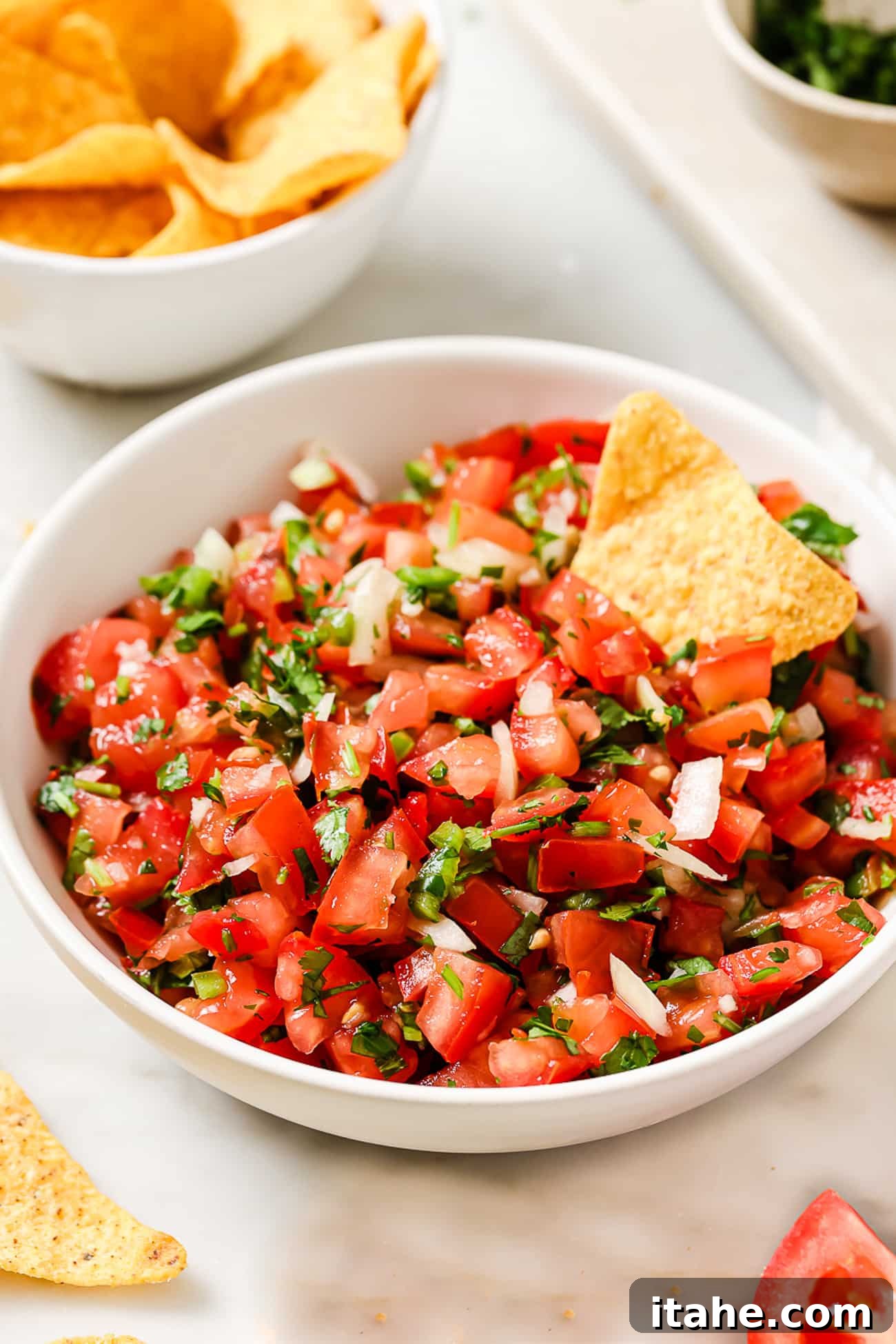
If you’ve ever experienced authentic, freshly made Pico de Gallo, you already know its incredible appeal and the unmatched burst of flavor it delivers. What many don’t realize, however, is just how remarkably simple it is to prepare right in your own kitchen. Forget store-bought versions that often fall flat, are laden with preservatives, or simply lack that signature zest and freshness. With just a few staple ingredients, a cutting board, a good knife, and about 10 minutes of your time, you can create a masterpiece that will rival any restaurant’s offering. While there’s a fair bit of chopping involved – a meditative process for some, a task for others (feel free to enlist a food processor for a quicker chop, but be careful not to overprocess into a purée!) – the rest is merely a matter of tossing everything into a bowl. It truly is that straightforward to achieve perfection.
This particular recipe shines brightest when crafted with perfectly ripe, sun-kissed red tomatoes. Their unparalleled sweetness and balanced acidity form the very backbone of this iconic dish, delivering a depth of flavor that’s simply unbeatable. In our home, homemade Pico de Gallo is often the first dish we prepare after a triumphant trip to the local farmer’s market, and more often than not, it’s half-gone before dinner is even on the table! Such is its magnetic allure and universal appeal. Once you experience the unparalleled taste of this vibrant, fresh homemade version, it’s sure to become a non-negotiable staple in your refrigerator, just as it has in ours. Get ready to impress your family and friends with this simple yet sensational condiment!
Why Choose Homemade Pico de Gallo? The Unrivaled Difference
Beyond the sheer satisfaction of creating something delicious from scratch, there are compelling and undeniable reasons to opt for homemade Pico de Gallo over any store-bought alternative. Commercial varieties, while convenient, almost always fall short in terms of flavor intensity, ideal texture, and overall nutritional integrity. They might contain unwanted added sugars, artificial preservatives, or synthetic colors, and the ingredients used are rarely as fresh or vibrant as those you can meticulously select yourself. When you make Pico de Gallo at home, you gain complete and absolute control over the quality of each component, ensuring peak freshness and the purest, most authentic taste possible. This level of control also extends to tailoring the spice level, saltiness, and tanginess to perfectly suit your individual palate and dietary preferences. It’s an inherently healthy, low-calorie, and incredibly versatile condiment that brings an invigorating burst of fresh flavor to countless dishes, all without any hidden or undesirable additives.
Pico de Gallo vs. Salsa: Understanding the Core Distinction
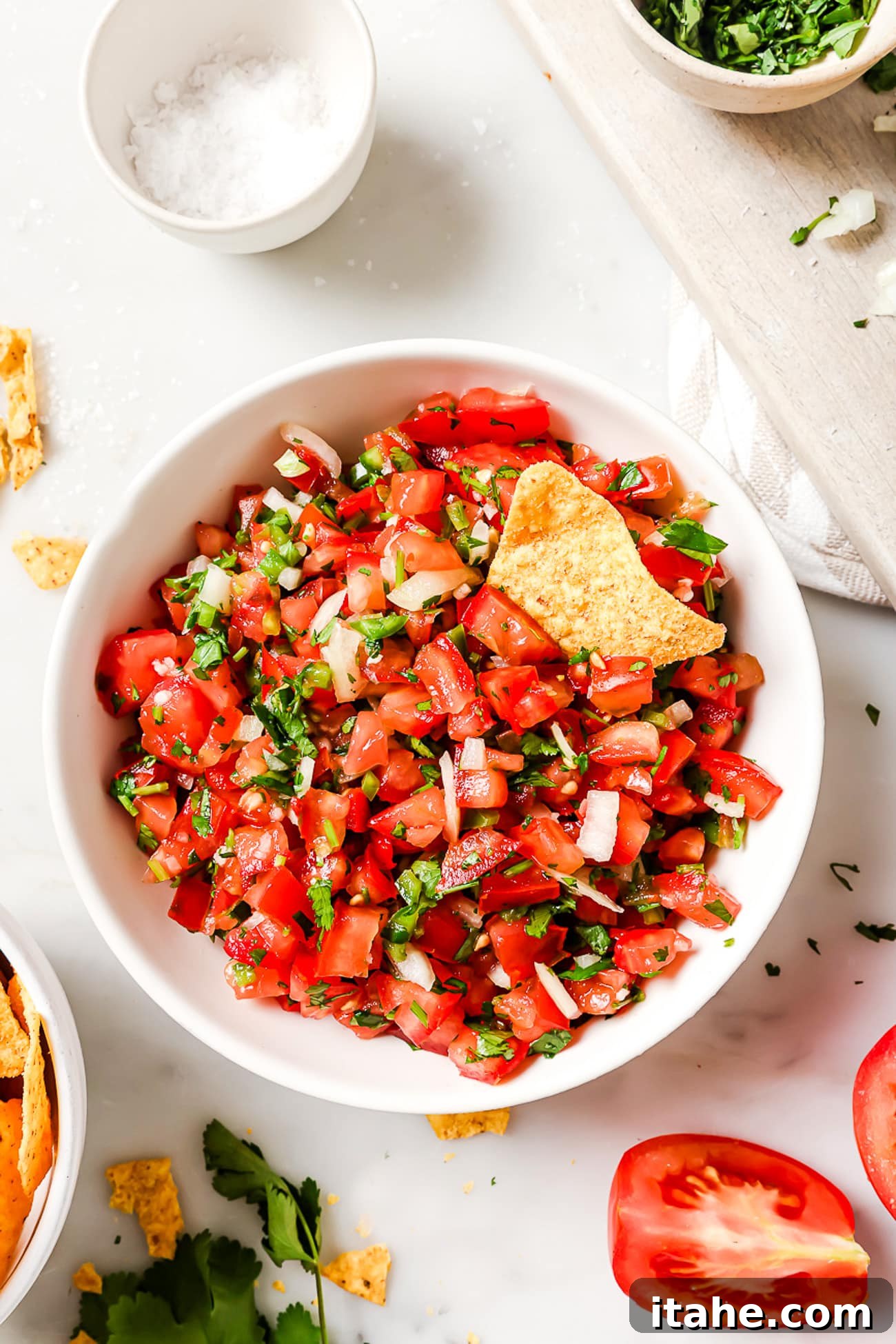
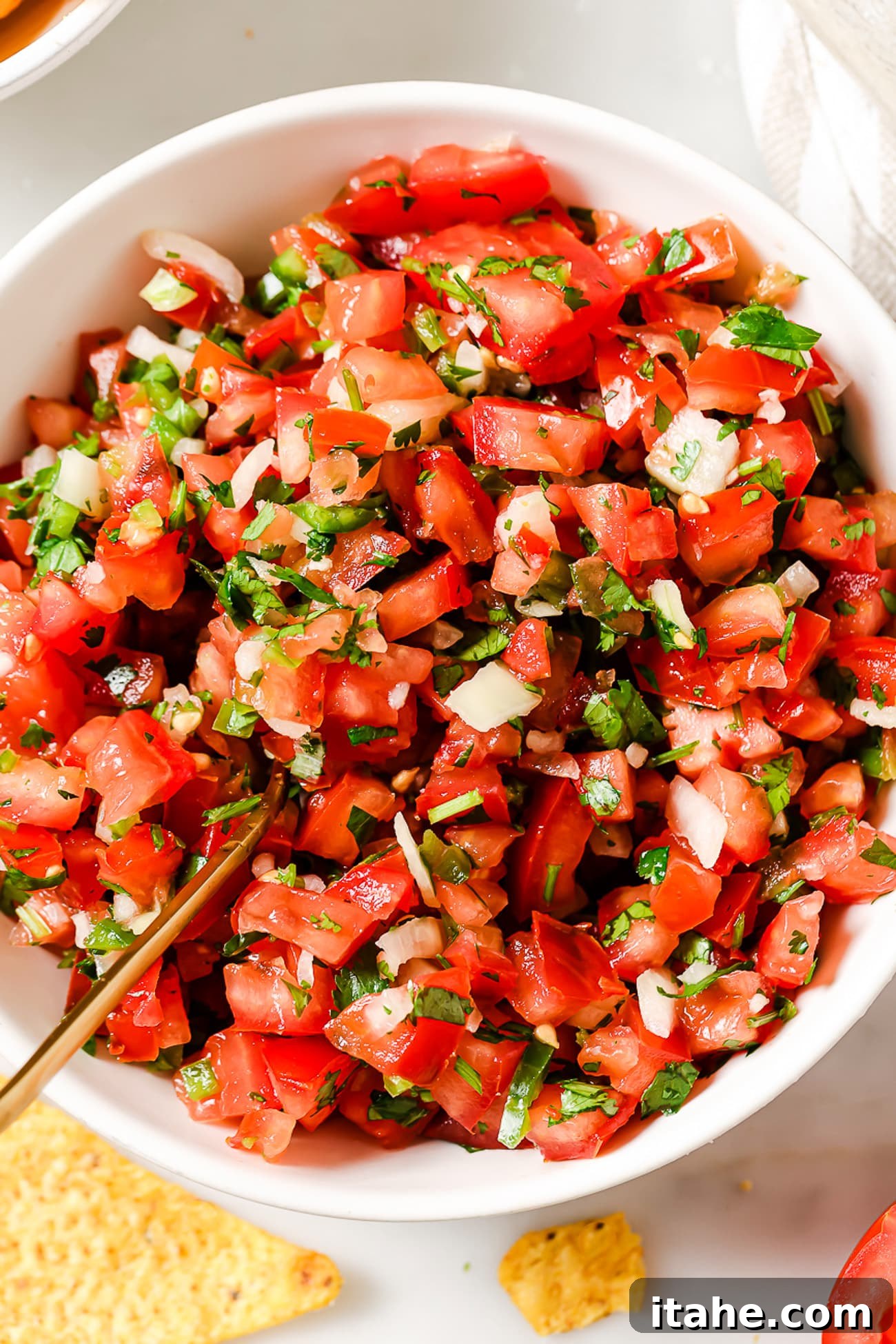
While Pico de Gallo is undeniably a member of the broader salsa family, it proudly holds a unique and distinct identity within the vast and diverse world of Mexican condiments. The primary differences lie in its signature texture, the raw nature of its components, and its typical serving temperature. Pico de Gallo, also famously known as “salsa fresca” (fresh salsa) or “salsa cruda” (raw salsa), is fundamentally characterized by its chunky composition, featuring all raw, crisp, and finely diced ingredients. When you look at Pico de Gallo, you can clearly see and distinguish each individual component: the vibrant red of the tomatoes, the crisp white or red of the onions, and the bright green of the cilantro and jalapeños. It is specifically designed to be served fresh, often at room temperature or lightly chilled, a presentation that allows the unique, unadulterated flavors of each ingredient to truly shine through. Traditional tomato salsa, in contrast, can vary significantly in consistency. It might range from a chunky texture similar to Pico de Gallo to a completely smooth purée, and very often incorporates cooked ingredients (such as roasted tomatoes or chiles), which impart a deeper, more smoky flavor profile. Salsas can also be served hot or cold and generally possess a saucier, more liquid consistency due to the blending or cooking process. While both are incredibly delicious and fundamental to Mexican cuisine, Pico de Gallo’s raw, robust simplicity and distinct, unblended texture are what truly set it apart as a timeless culinary classic.
Essential Pico de Gallo Ingredients for Authentic Flavor
Crafting the perfect Pico de Gallo begins and ends with selecting the freshest, highest-quality ingredients available. Each component plays a vital and distinct role in achieving that harmonious balance of flavors, vibrant colors, and delightful textures that make this fresh salsa so irresistible.
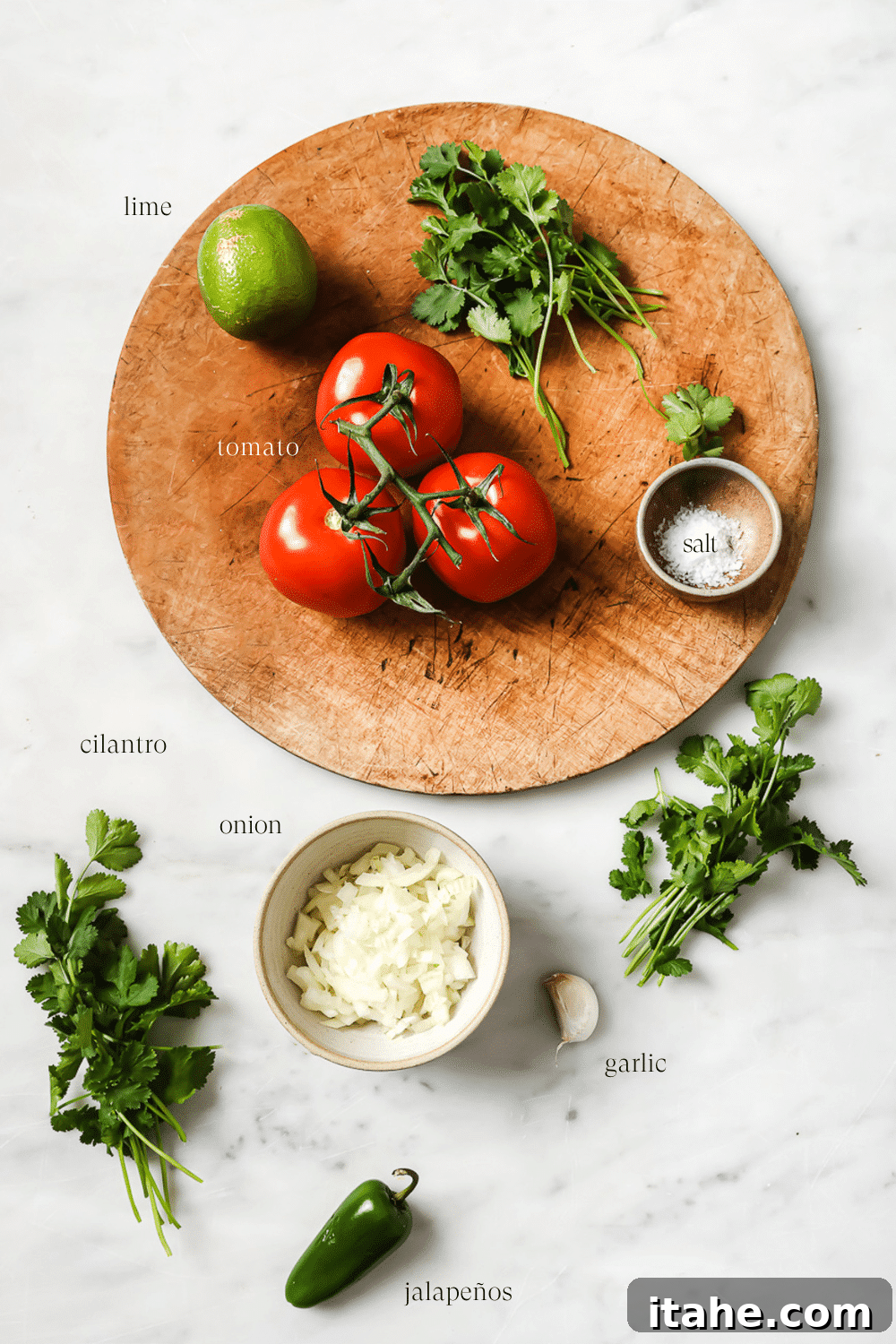
- Ripe Tomatoes — These are undoubtedly the heart and soul of your Pico de Gallo. The ripeness level of your tomatoes is paramount for achieving deep, natural sweetness and optimal acidity. I highly recommend using Roma tomatoes, also affectionately known as plum tomatoes, for their firm, meaty flesh and relatively low water content. This characteristic is crucial as it helps prevent the salsa from becoming overly watery and ensures a satisfyingly chunky texture. Tomatoes on the vine are another excellent choice, often offering great flavor and firmness. If you’re looking for a sweeter, juicier burst, cherry tomatoes can also be used, though they might require a bit more deseeding to manage moisture. When dicing, always make sure to remove the seeds and the watery pulp. This seemingly small but crucial step is vital for maintaining a firm, appealing texture and preventing your Pico de Gallo from becoming a soupy, less enjoyable mixture.
- Onion — The onion contributes a crisp, pungent bite that beautifully contrasts with the natural sweetness of the tomatoes and the brightness of the lime. While this recipe traditionally calls for white onions due to their classic sharpness and robust flavor profile, you have the flexibility to adapt to your personal preference. Sweet yellow onions offer a milder, slightly sweeter flavor, which can be an excellent choice if you find white onions a bit too intense. For a touch of vibrant color and a slightly different, often sweeter and less pungent flavor, red onion is also a fantastic option that adds visual appeal. Whichever variety you choose, ensure it is very finely diced for optimal blending of flavors and textures in each spoonful.
- Jalapeño Pepper — This is where you, the chef, take full control of the heat! Jalapeño peppers are a cornerstone of authentic Pico de Gallo, providing a fresh, green, and wonderfully spicy kick. To manage and customize the heat level, I typically remove the seeds and the white membranes (also known as veins or pith), as these parts contain the highest concentration of capsaicin, the compound responsible for the pepper’s heat. If you prefer a spicier salsa, you can confidently leave some or all of the seeds and veins intact. If jalapeños are unavailable or if you crave an even more significant level of heat, serrano peppers are an excellent substitute, offering a similar fresh flavor profile but with considerably more punch. For adventurous palates, a tiny touch of finely minced habanero can provide intense heat. Remember to always wear gloves or wash your hands thoroughly with soap and water after handling peppers to avoid any uncomfortable irritation.
- Fresh Cilantro — The unmistakable, quintessential aroma and uniquely bright flavor of fresh cilantro are what truly define and elevate Pico de Gallo. Its herbaceous, almost citrusy notes provide a refreshing counterpoint to the other ingredients, adding an essential layer of complexity. Don’t be shy about chopping the tender stems along with the leaves – they are packed with just as much flavor and contribute extra texture to the salsa. For those individuals who possess the genetic predisposition that makes cilantro taste like soap, fresh flat-leaf parsley can serve as a decent, albeit different, substitute, or you can simply omit it entirely if preferred.
- Lime Juice — Freshly squeezed lime juice is an absolutely non-negotiable ingredient for authentic Pico de Gallo. It provides the essential acidity that dramatically brightens all the flavors, tying them together seamlessly and adding that characteristic tangy zest that makes the salsa so invigorating. Bottled lime juice, while convenient in a pinch, simply cannot compare to the vibrant, nuanced flavor of fresh limes. Always opt for fresh limes for the best possible result; you’ll notice a significant difference. To maximize the juice yield from your limes, roll them firmly on a countertop for a few seconds before cutting and squeezing.
- Garlic — A single clove of finely minced fresh garlic adds a subtle yet impactful depth and aromatic complexity to the salsa. It should never overpower the other fresh flavors but rather enhance and support them from the background. If you are a devoted garlic enthusiast, feel free to increase the amount to two cloves or even three, depending on your personal preference for garlic intensity. Ensure it is very finely minced or pressed to integrate seamlessly into the chunky texture without being overtly crunchy or raw-tasting.
- Salt — Often overlooked in its profound importance, salt is the unsung hero that harmonizes, balances, and dramatically elevates all the individual flavors in Pico de Gallo. It meticulously brings out the natural sweetness of the tomatoes, tempers the heat of the jalapeño, and enhances the brightness of the lime and cilantro. If you taste your freshly made salsa and feel like something intangible is missing, chances are it just needs a tiny pinch more salt to make all the flavors truly pop. Start with a smaller amount, then add gradually, tasting as you go, until the flavors reach their peak vibrancy and balance. Fine sea salt or kosher salt are excellent choices for this recipe.
Step-by-Step: How to Prepare Your Perfect Pico de Gallo
Creating this fresh and vibrant salsa is less about complex cooking techniques and far more about precise ingredient preparation and thoughtful combination. Follow these simple yet crucial steps for a truly exceptional batch of homemade Pico de Gallo:
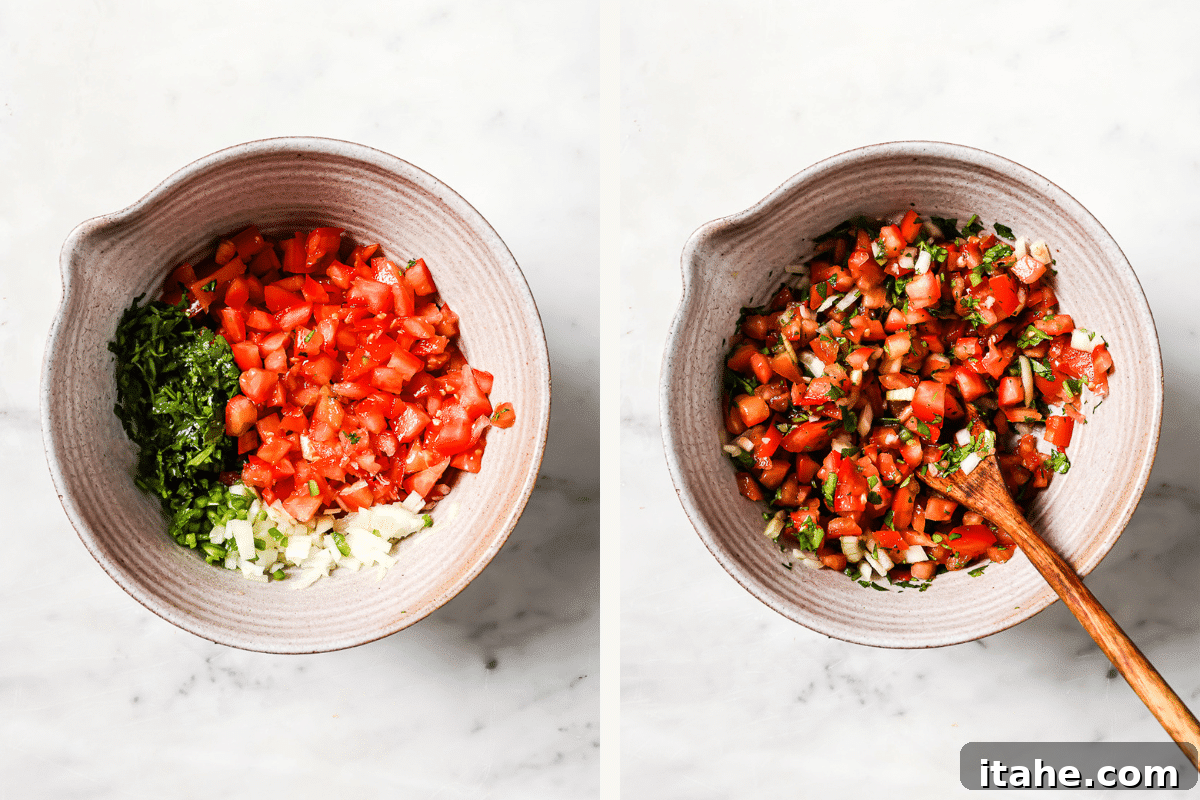
- 1. Prepare Your Produce: Begin by washing all your fresh fruits and vegetables thoroughly under cool running water. This is especially important for items like cilantro and jalapeños, which often carry soil. Gently pat them dry with a clean cloth or paper towel.
- 2. Precision Dicing for Texture: The hallmark of authentic Pico de Gallo is its distinctively chunky yet uniform texture, which hinges on how you dice your ingredients. Aim for small, even-sized pieces for the tomatoes, onions, and jalapeños. This meticulous dicing ensures that you get a balanced medley of all flavors and textures in every single bite. For tomatoes: after washing, cut them in half or quarters, scoop out the seeds and any excess watery pulp to prevent a soupy salsa, then dice the firm flesh into small cubes. For onions: peel and finely dice. For jalapeños: slice lengthwise, carefully remove seeds and white membranes (or leave some for extra heat, depending on your preference), then finely dice. Mince your garlic as finely as possible, creating a paste-like consistency, and finely chop your fresh cilantro, tender stems included.
- 3. Combine and Gently Mix: Once all your ingredients are meticulously diced and prepared, transfer them into a large, spacious mixing bowl. Add the freshly squeezed lime juice and a generous pinch of salt. Gently mix everything together with a spoon or spatula until all components are well combined. Be careful not to mash or crush the ingredients; the goal is to maintain their distinct textures and shapes.
- 4. Taste and Adjust Seasoning: This is an absolutely crucial step in perfecting your Pico de Gallo! Take a small spoonful and thoroughly taste your creation. Assess the balance of flavors. Does it need more salt to bring everything forward and make the flavors pop? Perhaps a little more fresh lime juice for an extra layer of tang and brightness? Or maybe another pinch of finely diced jalapeño if you desire more heat? Adjust the seasonings to your personal preference, always adding small amounts at a time and re-tasting with each addition until the flavors truly harmonize.
- 5. Rest and Serve: While you can certainly enjoy freshly made Pico de Gallo immediately, allowing it to rest in the refrigerator for at least 15-30 minutes (or even longer, up to an hour) before serving makes a significant difference. This resting period allows all those beautiful, fresh flavors to meld and deepen, creating a more cohesive and intensely delicious experience. Serve your Pico de Gallo chilled or at a cool room temperature for optimal enjoyment.
What’s the difference between Pico de Gallo and Salsa?
This is indeed a common question and a point of clarification for many! While Pico de Gallo is unquestionably a type of salsa, often specifically referred to as “salsa fresca” (fresh salsa), its distinguishing features lie primarily in its characteristic texture and the raw, uncooked nature of its ingredients. Pico de Gallo is defined by its chunky, uncooked mixture of fresh, finely diced components – you can distinctly see and appreciate each individual element like the bright red tomatoes, crisp white onions, and vibrant green cilantro. It’s typically served cold or at a cool room temperature and is noticeably drier with less liquid content than many other types of salsas. Traditional fresh tomato salsa, conversely, offers a broader range of textures, from chunky to very smooth and saucy. It may incorporate both raw and cooked ingredients (like fire-roasted tomatoes or chiles) and often has a greater liquid content, sometimes from pureed components, making it more pourable or dippable in a saucy way. While both are incredibly delicious and fundamental to Mexican cuisine, Pico de Gallo’s raw, robust simplicity and distinct, unblended texture are what truly carve out its unique place as a beloved culinary classic.
Expert Tips for the Ultimate Pico de Gallo
- Allow Flavors to Meld: As previously emphasized, patience is a virtue here! Do not rush the process. Allowing your freshly prepared Pico de Gallo to rest for at least 15 minutes, or ideally even up to an hour in the refrigerator, provides ample time for all those beautiful, individual flavors to truly come together, intermingle, and harmonize into a more cohesive and delicious whole.
- Consistent Dicing is Key: Strive for small, uniformly sized pieces across all your main ingredients (tomatoes, onions, jalapeños). This consistent dicing not only makes for a more aesthetically pleasing and professional presentation but, more importantly, ensures that you experience a perfectly balanced burst of all the flavors and textures in every single bite you take.
- Season to Perfection: The fresh lime juice and high-quality salt are truly critical flavor enhancers in Pico de Gallo. They work in tandem to bring out the natural sweetness of the tomatoes, balance the heat of the jalapeños, and enhance the refreshing brightness of the herbs. Do not be afraid to taste and generously adjust these essential ingredients more than once throughout the preparation process. A little more salt or a squeeze of additional lime can genuinely transform a good Pico de Gallo into an absolutely exceptional one.
- Embrace Optional Additions for Variety: While the classic Pico de Gallo recipe is perfect and delicious as is, it is also wonderfully adaptable and lends itself beautifully to creative experimentation. Consider adding optional ingredients like sweet grilled corn kernels for a smoky, sweet touch, finely diced bell pepper (red or yellow) for extra crunch and a mild sweetness, fresh avocado cubes for a rich creaminess, cooked black beans for added protein and heartiness, or even finely diced cucumbers for an extra layer of refreshing crispness.
- Creative Fruit Substitutions: If you’re not a fan of traditional tomatoes or simply wish to experiment with different flavor profiles, you can easily replace them with other firm, flavorful fruits! Delicious and innovative fruit salsas can be made using finely diced peaches, juicy pineapple, or even a delightful blend to create a vibrant mango salsa. These fruity variations offer a fantastic sweet and savory balance that pairs exceptionally well with grilled fish, chicken, or pork.
Make Ahead and Storage Instructions
One of the many fantastic advantages of Pico de Gallo is its impressive suitability for making ahead, making it an exceptionally practical option for busy hosts planning parties, for efficient meal prep throughout the week, or simply for having a healthy, flavorful snack readily on hand. You can very easily prepare this recipe a few hours in advance, or even up to a full day before you plan to serve it. The crucial factor here is to store it properly to maintain its peak freshness, vibrant color, and exquisite flavor.
Once prepared, transfer your freshly made Pico de Gallo to an airtight container. A glass container is often preferred as it doesn’t absorb odors. Store it securely in the refrigerator. Before serving, give it a good stir with a spoon to gently redistribute all the delicious flavors that have been melding. It’s important to keep in mind that as it sits, especially overnight, the high water content of the tomatoes will naturally cause them to release more moisture, and the flavors will continue to deepen and integrate. If you find your Pico de Gallo has become too watery for your liking, you can easily use a slotted spoon to serve it, allowing any excess liquid to drain away before plating. Leftovers can be safely stored in the fridge in an airtight container for up to 3 days. While still perfectly edible and tasty, do note that the texture of the tomatoes will inevitably soften over time, and the cilantro might lose a bit of its initial vibrant crispness. For the absolute best flavor and texture, it is highly recommended to consume your homemade Pico de Gallo within 24-48 hours of preparation.
Creative Ways to Enjoy Your Pico de Gallo
The unparalleled versatility of Pico de Gallo is undeniably one of its greatest strengths. It transcends being merely a dip for chips; it’s a dynamic, flavor-packed condiment that possesses the remarkable ability to elevate a multitude of dishes across all meals of the day. Its fresh, zesty, and slightly spicy profile makes it an absolutely perfect pairing for rich meats, creamy avocados, crispy textures, and virtually any Mexican-inspired creation.
- Appetizer Extravaganza: The classic pairing remains undefeated for a reason! Serve a generous bowl of your vibrant homemade Pico de Gallo with a mountain of crunchy tortilla chips for the perfect starter at any gathering. For an even more indulgent and complete experience, offer it alongside a bowl of freshly made guacamole. You can also layer it generously over tortilla chips with melted cheese, black beans, and a dollop of sour cream to create irresistible and highly shareable nachos that are sure to be a crowd-pleaser. Consider serving individual portions in small cups for effortless entertaining.
- Breakfast Brilliance: Transform your morning meal from ordinary to extraordinary with a spoonful of this fresh and zesty salsa. It’s an incredible, bright topping for scrambled eggs, fried eggs, or a fluffy omelet, adding a vibrant tang and a healthy burst of flavor. Take your breakfast to an entirely new level by incorporating it into breakfast tacos or burritos, where its fresh profile pairs beautifully with chorizo, crispy bacon, savory sausage, or wholesome black beans.
- Lunchtime Lift: Pico de Gallo is a fantastic and easy way to significantly brighten up your midday meal, adding both flavor and nutritional value. Pile a generous spoonful on top of a hearty taco salad, where it wonderfully enhances the flavors of seasoned ground beef or chicken, crisp lettuce, and shredded cheese. It’s also an absolutely essential component for any burrito or burrito bowl, adding vital moisture, a fresh bite, and a burst of authentic flavor. Use it as a vibrant and healthy topping for grilled chicken or fish sandwiches, or even folded into a fresh veggie wrap for a quick, flavorful lunch.
- Dinner Delights: The options for incorporating Pico de Gallo into your dinner spread are truly endless and incredibly exciting. Its versatile nature means it complements a wide array of Mexican dishes and grilled meats beautifully. Some of our absolute favorite dinner pairings that come alive with fresh Pico de Gallo include:
- Enchiladas: Provides a fresh, acidic counterpoint to rich, savory enchiladas.
- Chicken Fajitas: The perfect fresh topping for sizzling chicken and colorful peppers, adding coolness and crunch.
- Carne Asada: Its vibrant acidity beautifully cuts through the richness of grilled steak, enhancing every bite.
- Carnitas: A refreshing and zesty addition to tender, slow-cooked pork, providing a crucial textural and flavor contrast.
- Shrimp Fajitas: A light, zesty, and refreshing accompaniment that perfectly complements delicate seafood.
- Grilled Fish or Chicken: A simple grilled protein comes dramatically alive with a generous dollop of fresh Pico de Gallo, turning a basic meal into a flavor experience.
- Steak or Pork Chops: Use it as a fresh, vibrant relish to brighten and balance heavier meat dishes, adding complexity and a burst of freshness.
Frequently Asked Questions About Pico de Gallo
- Can I use a food processor for Pico de Gallo?
- You certainly can, but it is highly recommended to proceed with caution. A food processor, while fast, can very quickly over-process the ingredients, unfortunately turning your chunky Pico de Gallo into a watery, purée-like consistency. If you choose to use one, pulse the ingredients briefly in separate batches (e.g., tomatoes first, then onions and peppers, then cilantro and garlic) to maintain precise control over the final texture. Hand-dicing generally yields the best results for achieving the desired crisp, chunky consistency that defines authentic Pico de Gallo.
- How can I make my Pico de Gallo spicier or milder?
- To amplify the heat, simply leave some or all of the seeds and the white membranes (also known as pith) inside your jalapeño pepper, as this is precisely where the majority of the capsaicin (the heat-producing compound) resides. For an even more intense kick, you can add a small amount of finely diced serrano pepper, which is significantly hotter than a jalapeño, or even a tiny pinch of cayenne pepper. To achieve a milder Pico de Gallo, ensure you completely remove all seeds and membranes from the jalapeño. Alternatively, you can use less jalapeño, or for a zero-heat option, substitute it entirely with a mild bell pepper (such as green, red, or yellow), which will add a lovely crunch without any spice.
- What are the best types of tomatoes to use for Pico de Gallo?
- Roma (plum) tomatoes are typically the most recommended variety due to their firm, meaty flesh and relatively low water content. These characteristics are ideal as they help significantly prevent the salsa from becoming overly watery. Vine-ripened tomatoes are also an excellent choice, often offering great flavor and a good firm texture. The single most important factor, regardless of variety, is the ripeness of the tomato – always choose firm, fragrant tomatoes that feel heavy for their size, indicating juiciness and flavor.
- Can I freeze Pico de Gallo for later use?
- While it is technically possible to freeze Pico de Gallo, it is generally not recommended if you prioritize texture. The high water content inherent in fresh tomatoes means they will become very soft, mushy, and lose their vibrant texture once thawed, significantly altering the desired chunky consistency that defines Pico de Gallo. It is unequivocally best enjoyed fresh or stored in the refrigerator for a few days to preserve its intended texture and brightness.
- Is Pico de Gallo a healthy choice?
- Absolutely! Pico de Gallo is an inherently healthy and highly nutritious condiment. It is packed full of fresh, raw vegetables, making it naturally low in calories and rich in essential vitamins (like Vitamin C from limes and tomatoes) and beneficial antioxidants. It is also naturally gluten-free and vegan, making it an excellent and versatile option for a wide range of dietary preferences and health-conscious individuals. The capsaicin found in jalapeños has even been linked to various health benefits, including boosting metabolism.
Classic Homemade Pico De Gallo
Author: Olivia Ribas
Yields: Approximately 3 cups (8 servings)
Prep Time: 10 minutes
Total Time: 10-30 minutes (including resting)
This incredibly easy homemade Pico de Gallo recipe bursts with the freshest, most vibrant ingredients. It’s the perfect zesty accompaniment to crunchy tortilla chips or a versatile, healthy topping for tacos, salads, grilled meats, and much more. Experience authentic Mexican flavor in minutes!
Equipment You’ll Need
- 1 sturdy Chef’s knife
- 1 large cutting board
- 1 large mixing bowl
Ingredients for Your Pico de Gallo
- 1 pound ripe Roma tomatoes, finely chopped (ensure seeds and watery pulp are removed)
- 1 medium white onion, finely chopped (about 1 cup)
- 1 large jalapeño pepper, seeds and veins removed, finely diced (adjust quantity for desired heat)
- ⅓ cup fresh cilantro, finely chopped (tender stems included)
- ¼ cup fresh lime juice (from 2-3 medium limes)
- 1 clove garlic, finely minced or pressed
- Salt, to taste (start with ½ teaspoon and adjust)
Step-by-Step Instructions
- Combine Ingredients: Place all the finely diced ingredients – chopped tomatoes, finely chopped white onion, diced jalapeño, fresh chopped cilantro, and minced garlic – into a large mixing bowl.
- Add Liquids & Seasoning: Pour in the freshly squeezed lime juice. Add an initial pinch of salt.
- Gently Mix: Using a spoon or spatula, gently mix all the ingredients together until they are well combined. Be careful not to mash the ingredients; you want to preserve their distinct chunky textures.
- Taste and Adjust: Take a small spoonful and taste your Pico de Gallo. Adjust the salt and lime juice as needed, adding small increments and re-tasting until the flavors are perfectly balanced to your preference. If you desire more heat, add another pinch of finely diced jalapeño.
- Rest & Serve: For the best flavor, allow the Pico de Gallo to rest in the refrigerator for at least 15-30 minutes (or up to an hour) before serving. This allows the flavors to meld beautifully. Serve chilled or at cool room temperature with your favorite accompaniments!
Chef’s Notes & Tips
- Quality Ingredients Make the Difference: For the most authentic and vibrant flavor, always use the freshest, ripest vegetables and herbs you can find. Local and seasonal produce will yield the best results.
- Handle Jalapeños with Care: When dicing jalapeños, it’s highly recommended to wear gloves to prevent skin irritation, and always wash your hands thoroughly with soap and water afterward.
- Prevent Wateriness: Tomatoes naturally release moisture over time. To prevent your Pico de Gallo from becoming too watery, especially if it sits for a while, consider serving it with a slotted spoon to drain any excess juice.
Nutritional Information (Approximate Per Serving)
Serving: 1/8 of recipe, Calories: 19kcal, Carbohydrates: 5g, Protein: 1g, Fat: 0.2g, Sodium: 222mg, Potassium: 177mg, Fiber: 1g, Sugar: 2g
Nutrition information is automatically calculated and should only be used as an approximation. Actual values may vary based on specific ingredients and preparation methods.