ULA Vulcan Failure Destroys 40 Amazon Leo Satellites, Puts Launch Plans Under Review
A Vulcan rocket failed about 10 minutes after liftoff, destroying 40 Amazon Leo satellites and prompting an investigation that could delay planned missions.
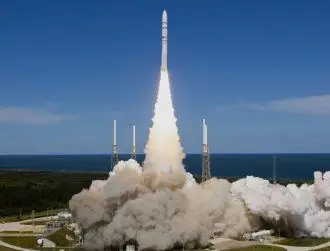
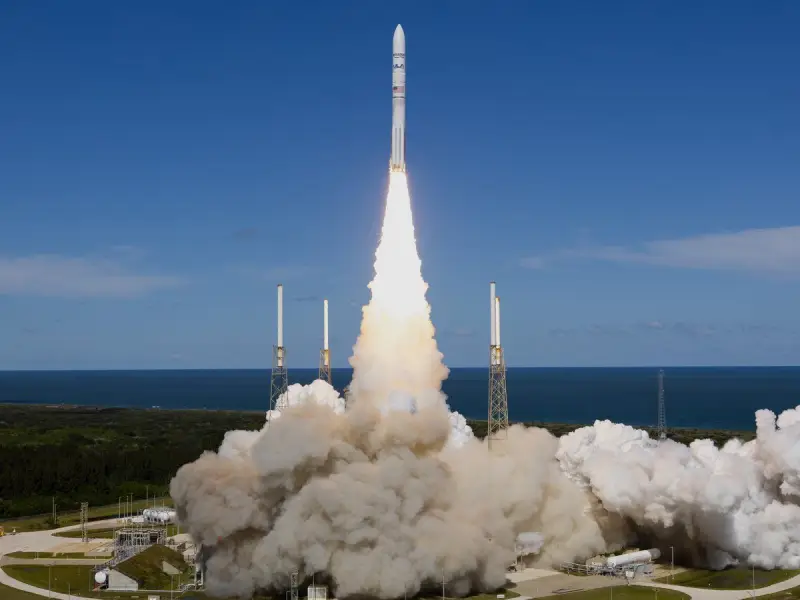

The loss of 40 Amazon Leo satellites leaves the company with less hardware in orbit and raises questions about the schedule for its planned Vulcan flights. United Launch Alliance (ULA), the joint venture between Boeing and Lockheed Martin, said its Vulcan rocket failed to deliver the payload to orbit after an anomaly about 10 minutes into its flight on 15 November.
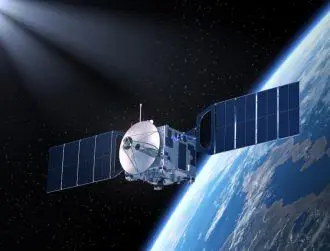
The rocket lifted off at around 12.40pm local time from Cape Canaveral in Florida. The lost payload was Amazon Leo’s first set of satellites carried by Vulcan. Amazon is building the network to compete with satellite internet providers including SpaceX, so the failure affects both a specific launch and the pace at which the service can add satellites.

Failure details remain unknown
ULA said its launch director had confirmed an anomaly based on flight data, but the company did not identify a cause. In a post on X, ULA said it had no specific data yet to explain what happened. The available information establishes that the rocket did not deliver its mission to orbit; it does not explain which system failed or whether the fault began before or during flight.
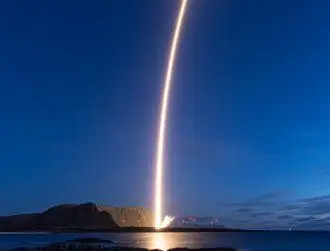
That distinction matters for the next steps. A technical investigation needs to establish what happened before ULA can determine what changes, if any, are needed before another Vulcan flight. The source of the problem and the investigation timetable were not available at the time of the announcement, so the length of any pause remains uncertain.
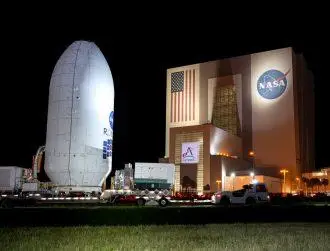
ULA described the flight as a failure to meet its mission standard. “Every flight generates data and every flight teaches us something,” the company said, adding that it would need time to understand the anomaly. Until that work produces findings, there is no basis for drawing conclusions about the rocket’s overall reliability or the cause of this particular loss.

Vulcan’s record and Amazon’s schedule
The mission followed a period of delays. More than a dozen previous missions were reportedly abandoned in the lead-up to this flight, which was Vulcan’s first since February. Earlier technical problems involving the solid rocket booster and the system had contributed to significant delays, according to reports. The available details do not establish whether those earlier issues were connected to the latest failure.
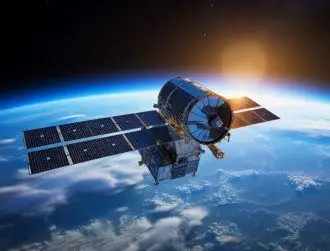
Vulcan has flown only four times since its debut in 2024. Sunday’s mission was expected to be the first of 38 planned flights for Amazon. That plan now faces a practical scheduling question: how quickly can ULA complete its investigation and resume flights? A lengthy review could keep the rocket grounded for months, though no specific duration has been confirmed.
Amazon Leo said launch risk is part of the process, particularly for an inaugural mission such as LV-01. In its post on X, Amazon called ULA a trusted partner and said it believed the company would learn from the mission and deliver on Vulcan’s long-term plans.
For Amazon, the immediate effect is the loss of 40 satellites that would otherwise have joined its network. The longer-term effect depends on how the company and ULA adjust the flight plan, and whether other launch capacity can support Amazon’s deployment schedule. The information available so far does not specify a replacement launch date or a revised schedule for the 38 planned missions.
Deployment gap remains significant
Before the failure, Amazon had deployed 398 Leo satellites across 14 launches. Reports put that at about 12 percent of the more than 3,200 satellites the company will need for global service coverage. The lost batch therefore represents a setback in a network that still requires substantial further deployment. Those figures describe the reported deployment position; they do not indicate when Amazon expects to reach full coverage.
Satellite networks depend on repeated launches to build out their orbiting fleets. When a rocket fails to deliver a payload, the impact reaches beyond the lost spacecraft: the operator must account for the missing capacity in its deployment plan, while the launch provider investigates before flying again. The source gives no details on the satellites’ specifications, the cost of the lost payload, or the effect on any customer service dates, so those consequences remain unknown.
SpaceX’s Starlink network is a key competitor in this market. Reports have attributed much of SpaceX’s position to its ability to launch its own satellites using its own rockets, reducing its reliance on external launch providers. Amazon’s plans, by contrast, include multiple missions with ULA. A pause in Vulcan flights could therefore affect the timing of one part of Amazon’s deployment effort, although the available information does not say whether Amazon can shift these satellites to another launch provider.
The next meaningful update will be the investigation’s findings and any schedule ULA provides for returning Vulcan to flight. For Amazon, the points to watch are whether its planned missions are rescheduled and how quickly it can replace the 40 lost satellites in its deployment plan. Until the cause and recovery timetable are known, both the technical impact and the scale of any delay remain open.


