
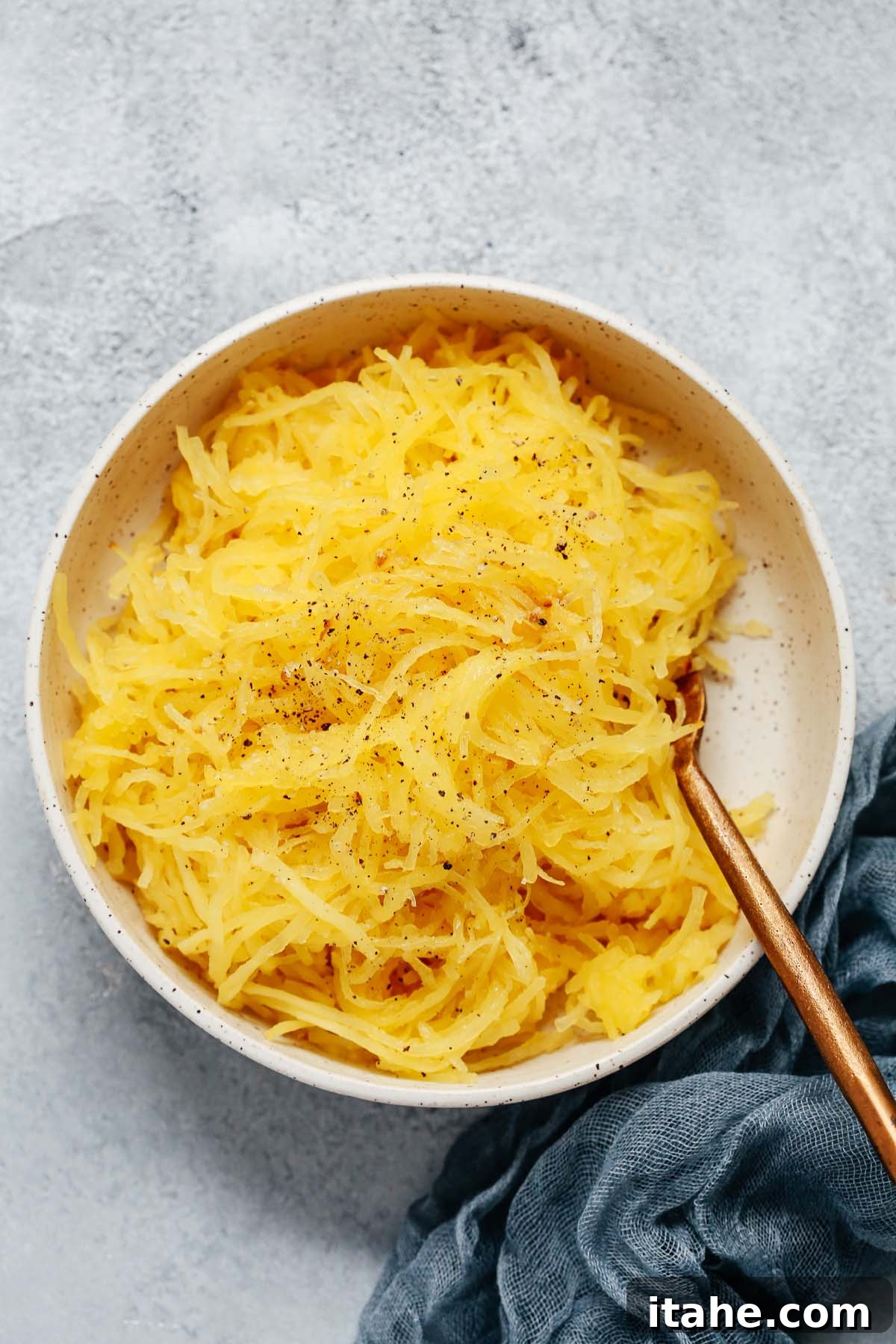
Unlock the secrets to perfectly roasting spaghetti squash, a culinary gem that effortlessly transforms into delightful, noodle-like strands. This versatile winter squash is not just a healthy, low-carb, and gluten-free alternative to traditional pasta; it’s a standalone star that can anchor a nutritious main course or impress as a vibrant side dish. Whether you’re looking to lighten up your meals, explore new vegetable preparations, or simply enjoy a delicious seasonal favorite, mastering the art of roasting spaghetti squash is an essential skill for any home cook. Its mild, slightly sweet flavor and unique texture make it an incredibly adaptable ingredient that pairs beautifully with a myriad of sauces and flavors.
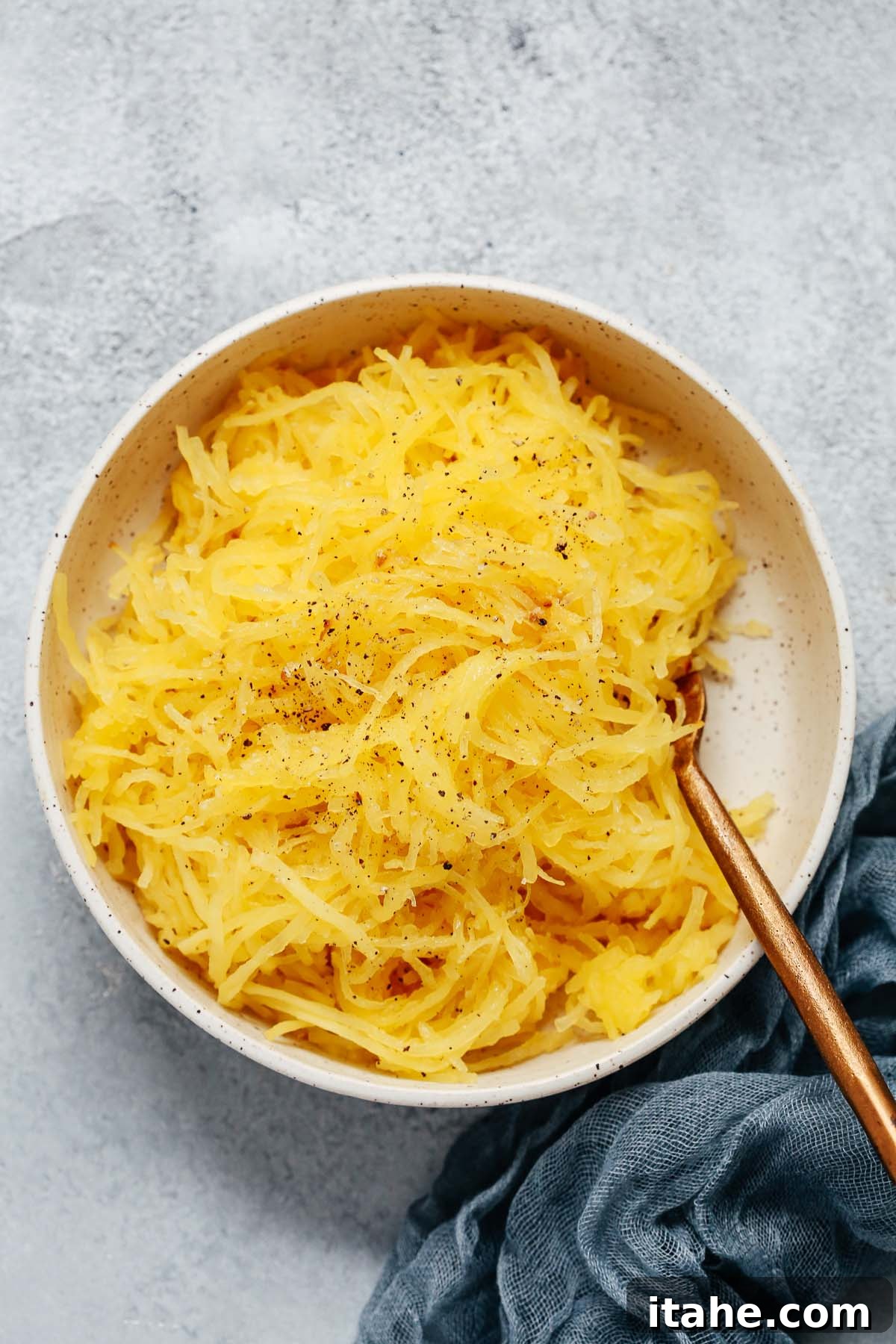
Why Choose Spaghetti Squash? The Healthy Noodle Alternative
Spaghetti squash has gained immense popularity, and for good reason. It offers a fantastic gluten-free and low-carb option for those seeking healthier alternatives to traditional wheat pasta. Packed with essential nutrients like Vitamin C, Vitamin B6, manganese, and fiber, it contributes to a balanced diet while providing a satisfying, pasta-like experience. For individuals following specific dietary plans such as Keto, Paleo, Whole30, or simply aiming to reduce carbohydrate intake, spaghetti squash is a game-changer. Its subtle flavor allows it to absorb the robust tastes of your favorite sauces, making it an incredibly versatile canvas for culinary creativity. Imagine transforming classic dishes like a hearty One-Pan Shrimp Spaghetti into a lighter, veggie-packed meal simply by swapping out the pasta for tender spaghetti squash strands.
Selecting and Storing Spaghetti Squash
Choosing the right spaghetti squash is the first step to a delicious meal. Look for a squash that feels heavy for its size, has a firm, unblemished skin, and is free of soft spots or cracks. A deep yellow or orange color often indicates ripeness. Store whole, uncooked spaghetti squash in a cool, dark place for up to several weeks, or even months, making it an excellent pantry staple for winter cooking. Once cut or cooked, it should be refrigerated.
The Ultimate Guide to Roasting Spaghetti Squash
Roasting spaghetti squash is arguably the best method to bring out its natural sweetness and achieve that perfect tender-crisp texture, ideal for forming distinct “spaghetti” strands. With just a little preparation, your oven will do most of the work, leaving you free to focus on other aspects of your meal. While spaghetti squash can be eaten raw (though it’s quite firm), or cooked using other methods, roasting truly enhances its flavor and texture. Here’s a detailed, step-by-step guide to achieving roasted spaghetti squash perfection:
- Preparation: Halving the Squash.
The tough skin of spaghetti squash can be a bit challenging to cut through. For safety and ease, start by stabilizing the squash on a cutting board. Using a sharp, heavy chef’s knife, carefully cut the squash in half lengthwise from the stem to the bottom. If you find the skin exceptionally stubborn, a quick trick is to pierce the squash several times along your intended cut line and microwave it for about five minutes. This softens the outer skin just enough to make slicing significantly easier and safer. Be cautious when handling it immediately after microwaving, as it will be hot.
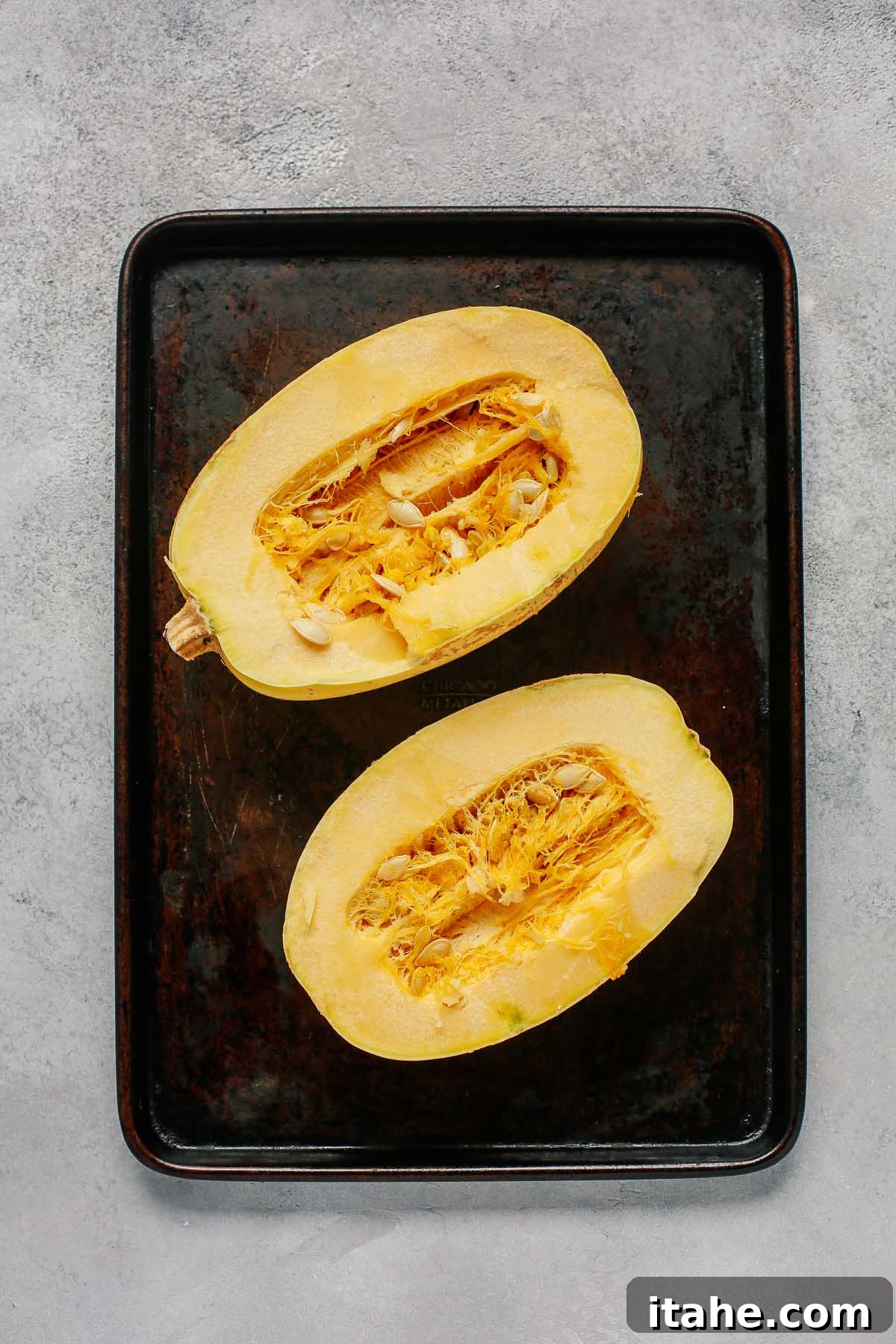
- Cleaning the Interior: Scooping Out Seeds.
Once halved, use a sturdy spoon (an ice cream scoop works wonderfully) to scrape out the seeds and any stringy pulp from the center of each half. Ensure you get rid of all the fibrous bits to leave a clean, smooth cavity. Don’t discard those seeds just yet! Just like pumpkin seeds, spaghetti squash seeds can be rinsed, tossed with a little oil and salt, and roasted for a crunchy, nutritious snack.
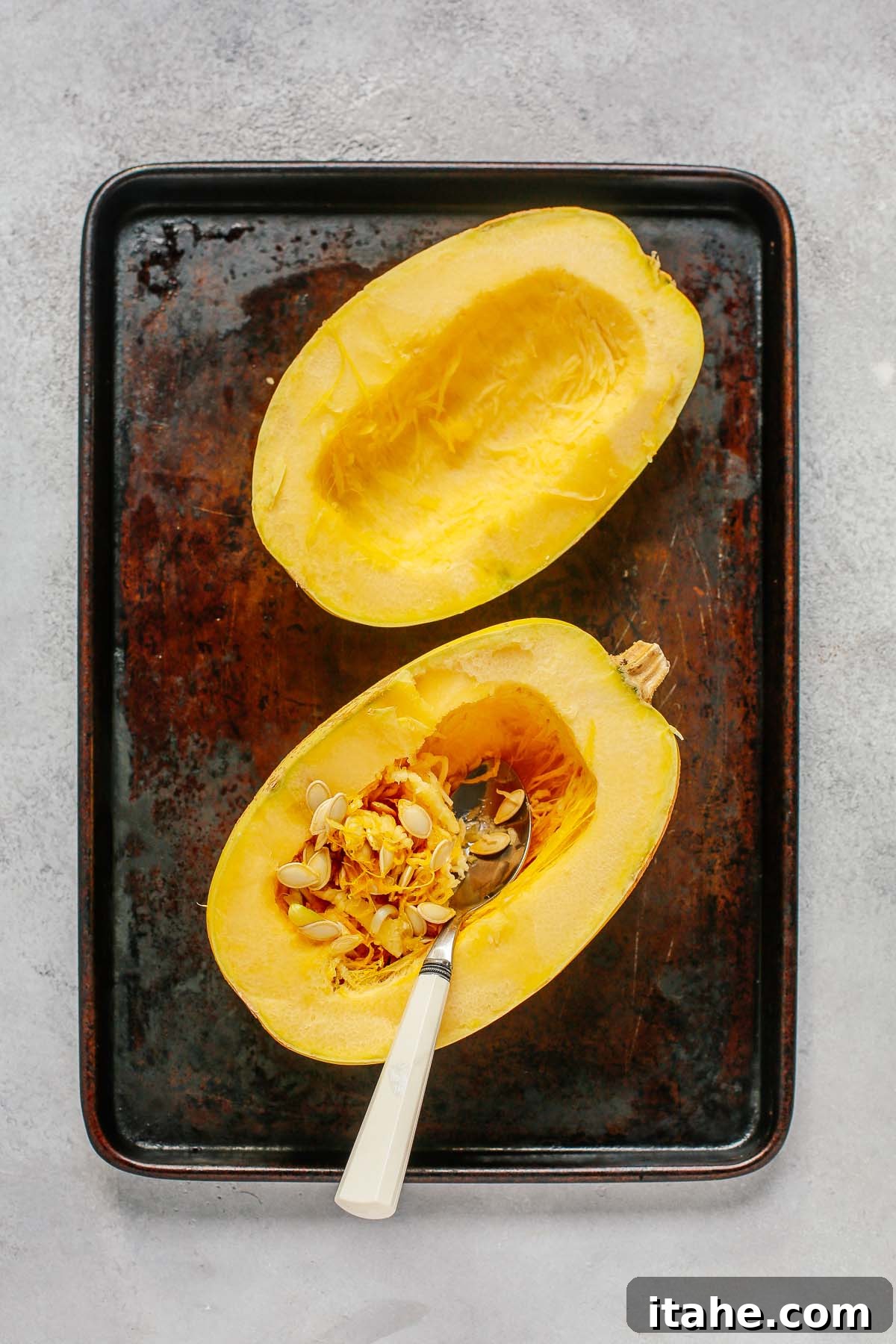
- Seasoning for Flavor.
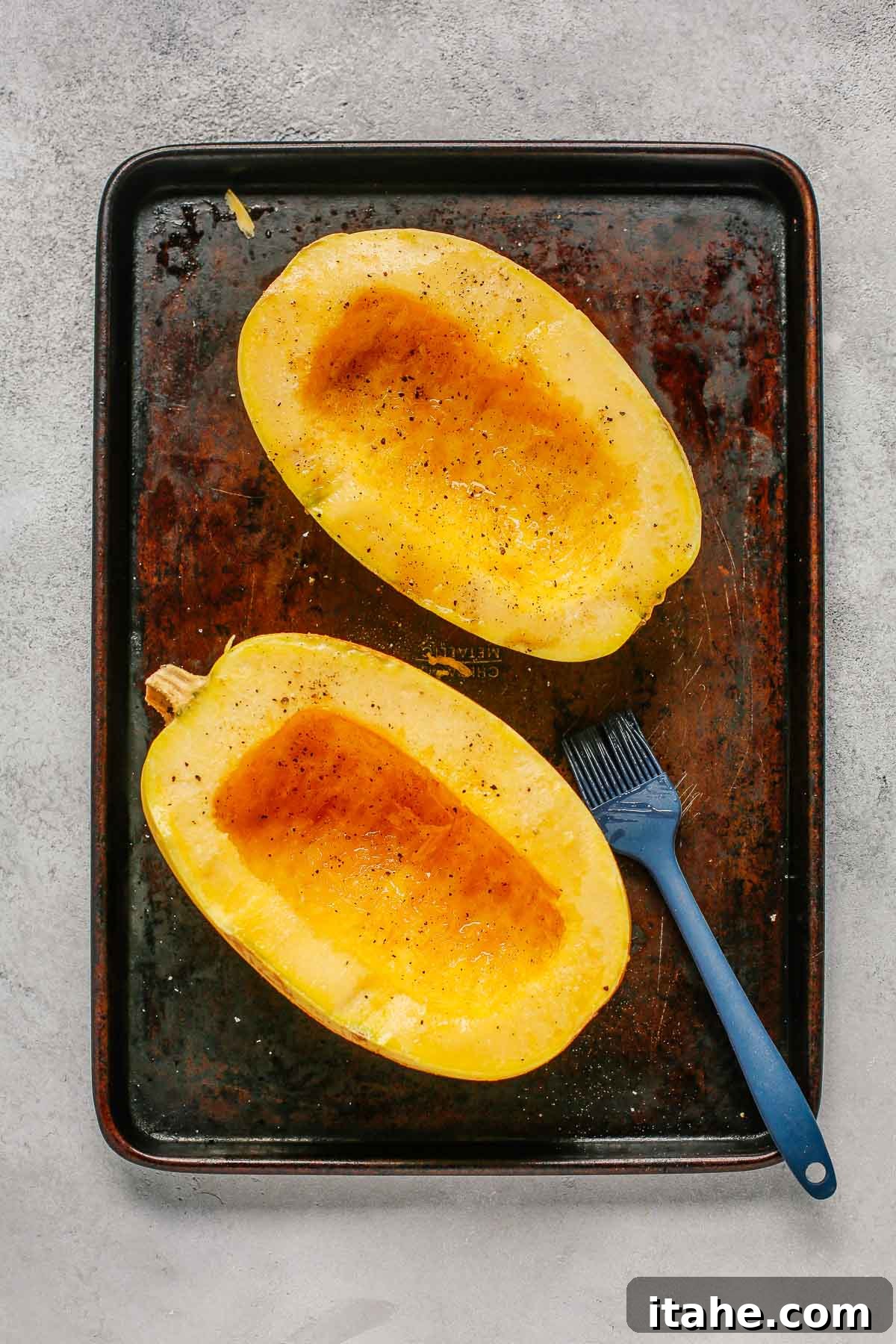
Lay the cleaned squash halves on a baking sheet. Drizzle about a teaspoon of olive oil (or avocado oil) over the flesh of each half, then spread it evenly with your hands or a brush. Season generously with salt and freshly ground black pepper. For added flavor, consider a sprinkle of garlic powder, onion powder, Italian seasoning, or a pinch of smoked paprika. This simple seasoning allows the natural sweetness of the squash to shine while providing a delicious foundation for any sauce or topping.
- Roasting in the Oven.
Place the seasoned squash halves, cut side down, on the baking sheet. Roasting them this way helps to steam the interior, making the flesh tender, while also allowing the natural sugars to caramelize slightly, deepening the flavor. Preheat your oven to 400°F (200°C). Roast for 30-40 minutes, depending on the size of your squash. A good indication of readiness is when the skin is easily pierced with a fork and the flesh is tender but not mushy. Small squashes might be ready closer to 30 minutes, while larger ones could take up to 50 minutes. - Cooling and Shredding.
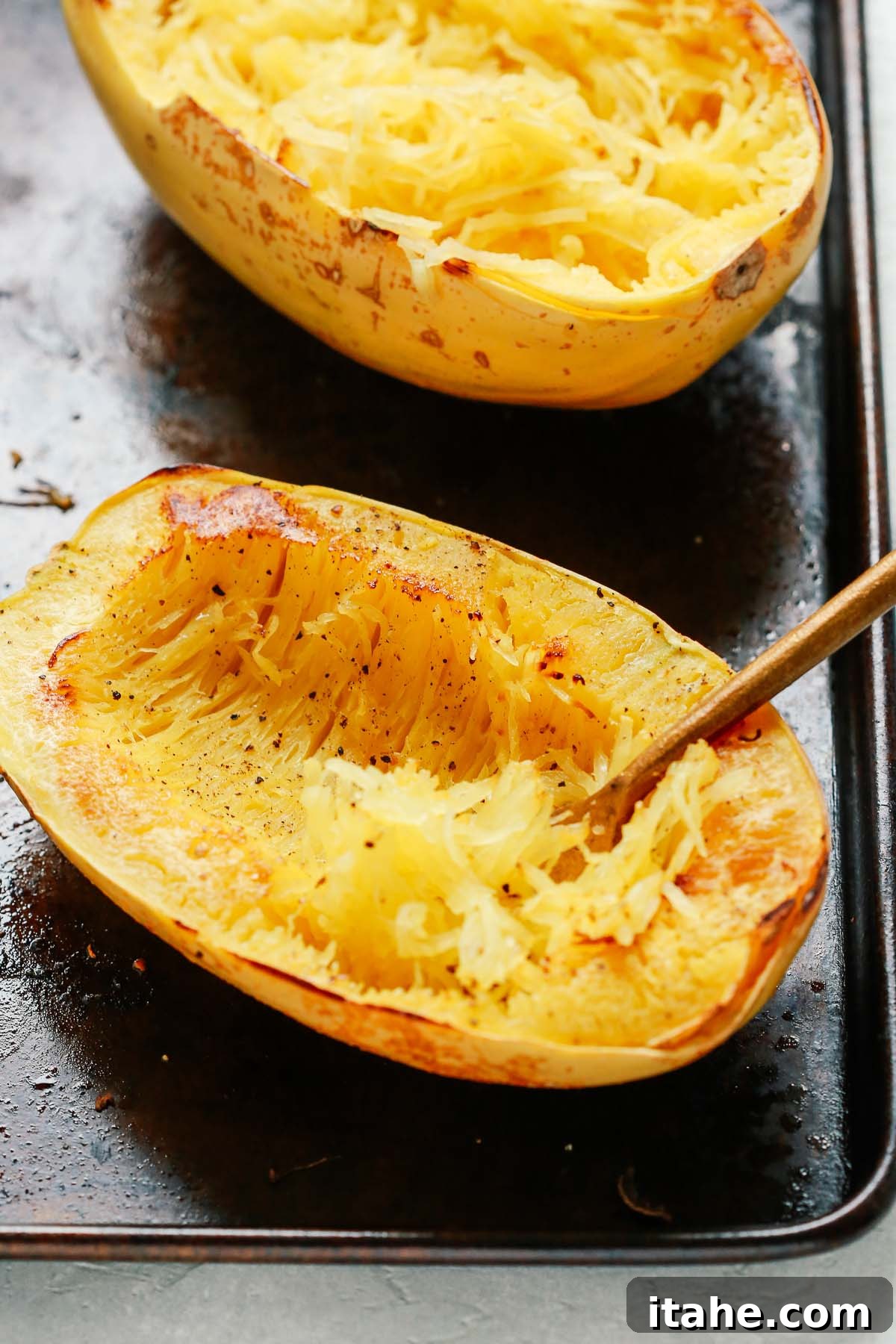
Once roasted, carefully remove the squash from the oven and let it cool for a few minutes until it’s comfortable enough to handle. Then, using a fork, gently scrape the flesh from one end to the other, moving along the grain of the squash. This action will naturally create those beautiful, long, spaghetti-like strands. Transfer the spaghetti squash strands to a serving bowl or directly into your desired dish.
Exploring Other Cooking Methods for Spaghetti Squash
While roasting yields fantastic results, spaghetti squash is adaptable to other cooking methods, each offering its own benefits in terms of time and convenience. Here are a few popular alternatives:
Slow Cooker (Crock-Pot) Spaghetti Squash
The slow cooker is perfect for a hands-off approach, especially if you want to set it and forget it. You can even cook the spaghetti squash whole in the crock pot! Just pierce the skin several times with a knife or fork to allow steam to escape during cooking. Pour two cups of water into the bottom of the pot, then place the whole squash inside. Cook on low for eight hours or on high for 4-5 hours. The squash will be incredibly tender and easy to cut and scrape once slightly cooled. This method is ideal for meal prepping or busy days when you need a ready-made healthy component for dinner.
Instant Pot (Pressure Cooker) Spaghetti Squash
For those times when speed is of the essence, the Instant Pot is your best friend. Prepare the squash by cutting it in half and removing the seeds, just as you would for roasting. Pour one cup of water into the bottom of the Instant Pot. Place a trivet or steamer basket inside, then carefully arrange the spaghetti squash halves on top, cut side up or down – either works. Close the lid, set the valve to sealing, and cook on high pressure for seven minutes. Once cooking is complete, do a quick release to stop the cooking process immediately and prevent overcooking. The result is perfectly tender spaghetti squash strands in a fraction of the time.
Microwave (Quick Prep or Emergency Cooking)
While not ideal for achieving the best flavor and texture (it can sometimes result in a slightly watery squash), the microwave can be used for a super-fast cook if you’re in a pinch. Halve and seed the squash, then place the halves cut-side down in a microwave-safe dish with a small amount of water (about 1/4 cup). Microwave on high for 10-15 minutes, or until tender, rotating halfway through. This method is generally best reserved for softening the squash for easier cutting, as mentioned in the roasting guide, rather than full cooking.
What Goes with Spaghetti Squash? Endless Culinary Pairings
Spaghetti squash’s mild, neutral flavor is its superpower. It means it not only mimics the appearance of pasta but also provides a similar, comforting base that can carry almost any flavor profile. While it’s a natural fit for pasta sauces, its versatility extends far beyond that. Don’t limit yourself – experiment with these delicious ideas:
- Classic Pasta Alternative: Toss the warm spaghetti squash strands with your favorite marinara, pesto, alfredo, or creamy tomato sauce. Add meatballs, grilled chicken, or sautéed vegetables for a complete meal.
- Hearty Stuffed Squash: Take advantage of the natural bowl shape. After roasting, fill the squash cavities with savory fillings. Try a rich Bolognese sauce, a mixture of ground turkey and veggies, or a cheesy chicken and spinach filling. Bake again briefly until heated through and cheese is bubbly.
- Mediterranean Inspired: Combine with roasted cherry tomatoes, crumbled feta cheese, Kalamata olives, fresh basil, and a drizzle of balsamic glaze.
- Pesto and Shrimp Delight: For a light yet flavorful meal, add sautéed shrimp and toss the strands with vibrant pesto, maybe a squeeze of lemon juice.
- Soups and Stews: Incorporate cooked spaghetti squash strands into hearty vegetable soups or stews for added texture and nutrition. It’s especially good in a chicken noodle soup for a low-carb twist.
- Pizza Topping: Spread a thin layer of seasoned spaghetti squash on pizza dough before adding cheese and other toppings for a unique, veggie-packed pizza.
- Asian-Inspired Stir-Fry: Lightly sauté the strands with soy sauce, ginger, garlic, and your favorite stir-fry vegetables and protein.
- Breakfast Hash: Mix cooked spaghetti squash with sautéed onions, bell peppers, and diced potatoes for a savory breakfast hash, topped with a fried egg.
- Squash Fritters or Patties: Combine shredded squash with an egg, some flour (or gluten-free alternative), herbs, and cheese, then pan-fry until golden.
More Delicious Spaghetti Squash Recipes to Inspire You:
Ready to dive deeper into the world of spaghetti squash? Here are some tried-and-true recipes that showcase its incredible versatility and flavor:
- Whole30 Low Carb Spaghetti Squash With Meatballs
- Pesto Spaghetti Squash with Shrimp
- Spaghetti Squash with Sun-Dried Tomato and Basil
- Easy Bolognese Stuffed Spaghetti Squash
- Spicy Peanut Spaghetti Squash with Chicken
- Creamy Garlic Parmesan Spaghetti Squash
How to Make Spaghetti Squash
Olivia Ribas
2 people
10 minutes
40 minutes
50 minutes
Ingredients
- 1 whole spaghetti squash
- 2 teaspoons olive oil
- Salt and ground black pepper
Instructions
-
Preheat oven to 400°F (200°C).
-
Halve the spaghetti squash and remove seeds, using a spoon.
-
Pour olive oil on the inside of the spaghetti squash and season with salt and black pepper.
-
Place spaghetti squash cut-side down on a baking sheet and roast in oven on the middle rack for about 30-40 minutes, or until tender.
-
Remove from oven and let cool slightly for easier handling.
-
Using a fork, gently scrape the flesh from one end to the other to create spaghetti-like strands. Serve it with your favorite protein recipes. Enjoy!
Notes
- Cutting Tip: If you have trouble cutting the spaghetti squash in half, microwave it for 5 minutes (after piercing) to help soften the skin.
- Roasted Seeds: You can keep the spaghetti squash seeds and roast them like you would with pumpkin seeds for a crunchy snack.
- To Store: Once cooked, spaghetti squash should be stored in an airtight container in the refrigerator and will keep for up to 5 days.
- To Reheat: You can easily microwave leftover spaghetti squash. For best results, reheat gently to avoid overcooking.
- To Freeze: Freeze cooked spaghetti squash for up to 3-4 months in a freezer-safe bag or container. Ensure it’s completely cooled before freezing.
Nutrition
Calories: 159kcal,
Carbohydrates: 16g,
Protein: 1g,
Fat: 11g,
Cholesterol: 16mg,
Sodium: 320mg,
Potassium: 212mg,
Fiber: 5g,
Sugar: 7g
Nutrition information is automatically calculated and should only be used as an approximation.
Mastering the art of roasting spaghetti squash opens up a world of healthy, delicious, and versatile meal options. Whether you’re seeking a low-carb alternative to pasta, a nutrient-rich side dish, or a creative canvas for new flavors, this humble winter squash delivers every time. With its impressive nutritional profile and ease of preparation, spaghetti squash is more than just a vegetable; it’s a staple that can effortlessly elevate your everyday cooking. So, grab a squash, preheat your oven, and get ready to enjoy a delightfully healthy meal!